The ultimate eclipse chase: A Concorde raced against the Moon's shadow
Fitted with telescopes, the plane did our longest imaging of the Sun's corona.
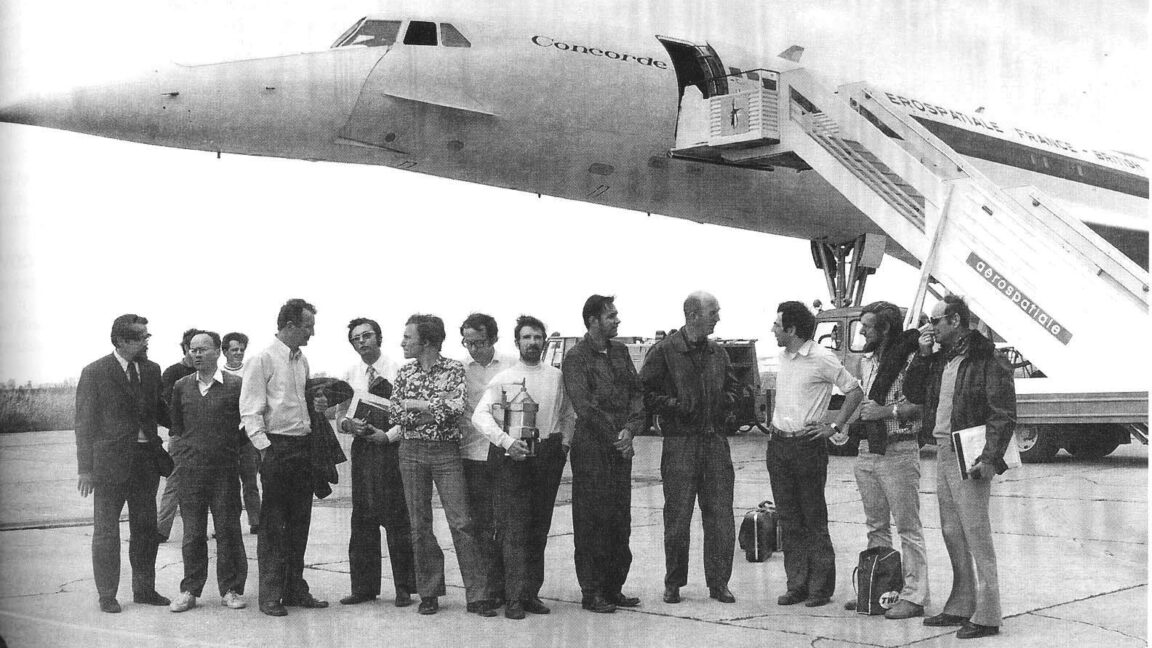
The National Air and Space Museum of France, accessible via the tarmac of Paris-Le Bourget airport, is a haven for aviation aficionados. This museum, housing a multitude of civil and military aircraft from various eras, holds a special place for science enthusiasts - the legendary Concorde F-WTSS 001 prototype. The thrill of observing this aircraft lies in the subtle detail of a map painted on its nose, tracing the path of a total solar eclipse that occurred in June 1973 across Africa.
This map exists on the Concorde 001 prototype due to an extraordinary feat performed by a team of eight scientists. They shattered the world record by observing the solar eclipse for a remarkable 74 minutes, a feat accomplished by flying the aircraft at a speed surpassing twice the speed of sound. To provide perspective, the longest duration of totality on the ground during such an eclipse is approximately 7.5 minutes, a figure observed in equatorial regions.
However, the upcoming solar eclipse on August 12, visible in parts of Europe, will exhibit a maximum duration of totality significantly shorter, clocking in at over two minutes.
Written by urgent.news from Ars Technica's reporting — not their text. Machine-written — may contain errors; check the original before relying on it.
This story
This is one outlet's version. Read the fullest account.