Independence still eludes marginal farmers
The majority of our farmers are working plots so small they cannot generate a sustainable or dignified income.
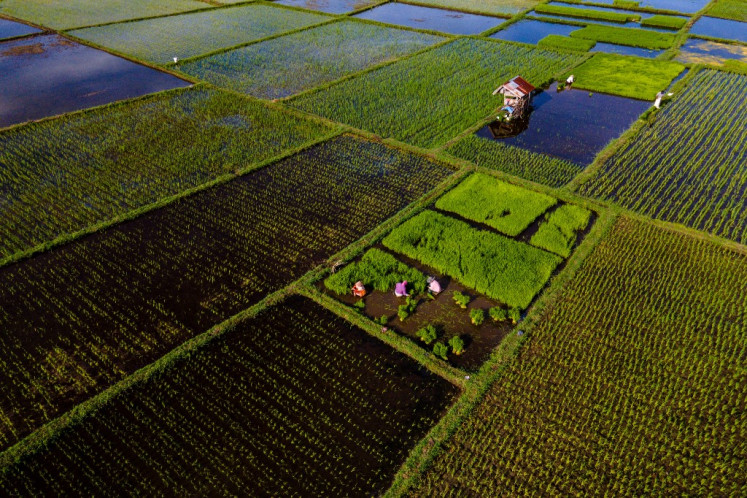
Indonesia's independence remains an elusive goal for the nation's marginal farmers, who toil on land too small to sustain a dignified livelihood. Every August, the country commemorates its birth anniversary with pride, yet beneath the celebrations lies a stark reality: these farmers, known as petani gurem, make up more than 62 percent of all agricultural land users.
With plots smaller than half a hectare, they produce insufficient harvests to meet even basic needs, let alone contribute to national prosperity. Indonesia's agricultural identity is paradoxical, as those who till the soil often find themselves among the most impoverished segments of society. The core issue lies in the infeasibility of scaling up operations; their plots are too fragmented by inheritance and conversion to nonagricultural use to generate significant income.
As production costs soar with fertilizer, seeds, pesticides, and labor wages, the gap between costs and earnings widens, trapping many in a cycle of subsistence. Securing capital is another hurdle, as formal banks and middlemen alike exploit farmers' vulnerability with stringent requirements and exploitative terms. Despite Indonesia's aspirations to be an agrarian powerhouse, its farmers remain shackled by minimal productive assets.
Written by urgent.news from The Jakarta Post Academia's reporting — not their text. Machine-written — may contain errors; check the original before relying on it.