Cambridge's youngest Black professor, Jason Arday, quits as university probes plagiarism allegations
A British sociologist who became famous as the youngest Black professor ever at the University of Cambridge has resigned after the university opened an investigation into “new information” about his academic qualifications.
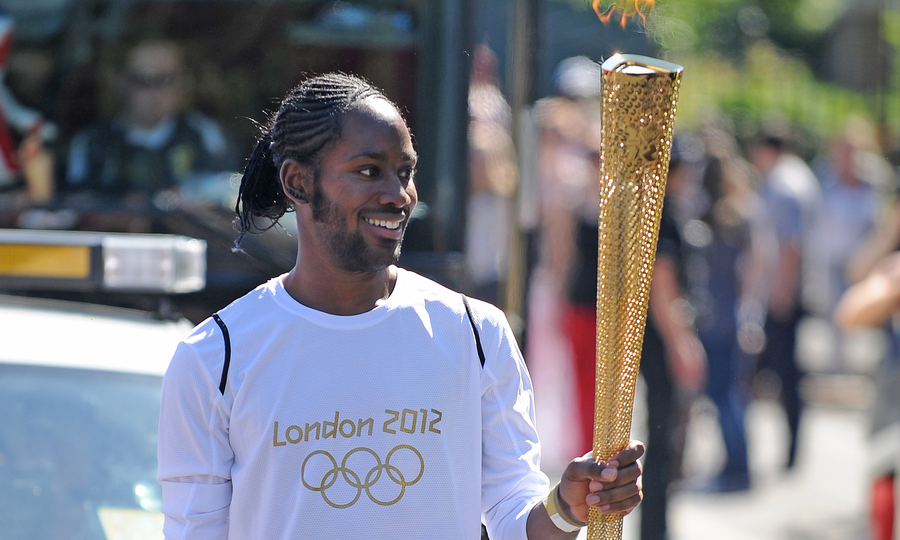
Jason Arday, Cambridge's youngest Black professor, has resigned amid plagiarism allegations that have marred his career. Arday, who was 37 when he joined the university in 2023, made the announcement following weeks of scrutiny over his academic work and claims of athletic and fundraising achievements. In a statement, Arday expressed that the relentless accusations and public commentary had taken a significant toll on him and his loved ones.
The Good Law Project, a campaign group supporting Arday, described the plagiarism allegations as a "smear campaign" aimed at undermining him and other Black individuals in influential positions. Arday’s appointment at Cambridge was a significant milestone, as it highlighted his personal journey of overcoming dyslexia, developmental delays, and autism, which hindered his verbal and reading skills until later in life.
His memoir, "Great and Unfortunate Things," set to release next week, recounts his experiences. The plagiarism allegations first emerged when Nathan Cofnas, a former Cambridge philosophy researcher, raised questions about Arday’s qualifications after his critique of diversity, equity, and inclusion programs led to protests. The Times of London subsequently published an analysis of Arday’s 2015 Ph.D. thesis, highlighting multiple instances of passages that were "identical or near-identical" to an earlier paper written by another researcher.
Additionally, questions were raised about Arday’s claims of raising 5.5 million pounds for charity through feats such as running 30 marathons and 600 miles. Initially, Cambridge stood by Arday, stating that the plagiarism allegations had been investigated by Liverpool John Moores University, which awarded his doctorate. However, on Wednesday, the university announced it had initiated its own inquiry following new evidence suggesting that some of Arday’s research was "fabricated" and contained "impossible" evidence.
The Times of London reported that Cambridge decided to investigate after presenting this new evidence. Arday denied plagiarism in an interview with the Times but admitted to some mistakes, attributing them partly to a lack of supervision during his doctoral work. Despite the controversy, Arday said his resignation should not be seen as a loss of faith in scholarship or an acceptance of the narratives surrounding him.
Instead, it is a decision made after enduring what he believes is the limit of what any person should reasonably endure.
Written by urgent.news from VnExpress International's reporting — not their text. Machine-written — may contain errors; check the original before relying on it.