How snails engineer their slime
Collagen and calcium work in tandem to achieve varying mechanical properties of different kinds of mucus.
Snails are renowned for their mucus, which boasts an impressive array of anti-inflammatory and anti-aging properties, making it a sought-after ingredient in certain skincare formulations. A team of German researchers has unveiled the molecular basis of this remarkable mucus "tunability," as detailed in a paper published in the prestigious journal Science. The slime primarily consists of water, with mucins, complex carbohydrates, and additional components lending it its characteristic sliminess.
Beyond the realm of beauty products, snail mucus holds immense promise for pharmaceutical applications, including drug delivery systems. In 2020, researchers discovered that a cocktail of snail mucus mixed with gold nanoparticles could expedite wound healing and display potent anti-inflammatory effects when tested on mice. This groundbreaking study underscores the potential of snail mucus as a versatile material in medical contexts.
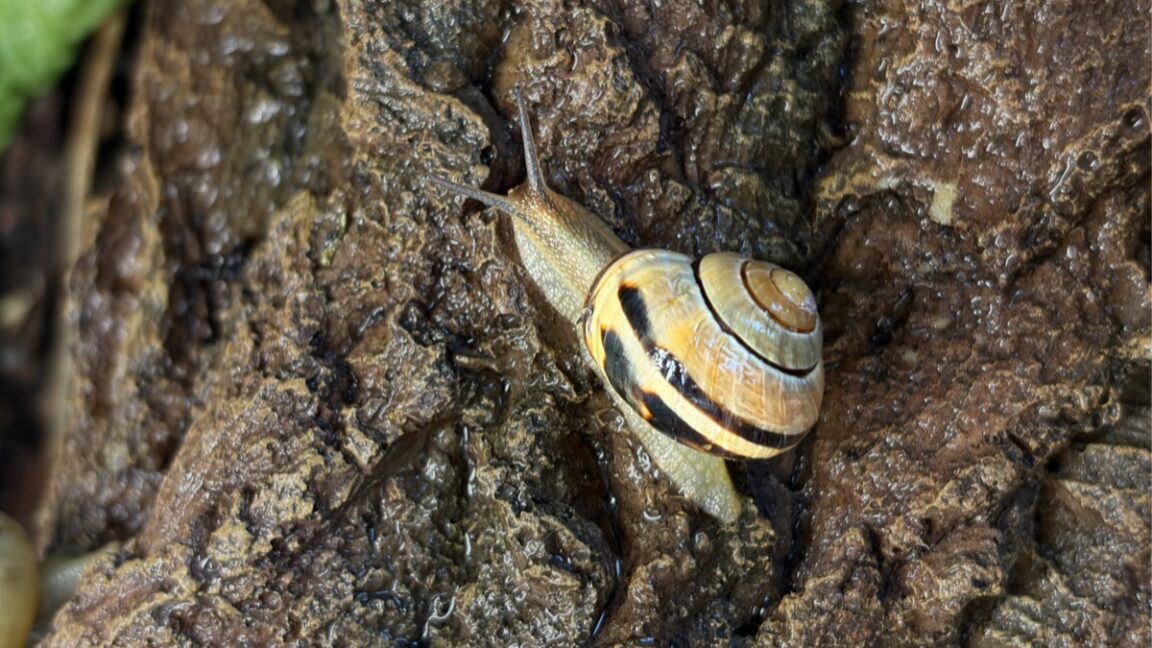
The researchers honed in on the grove snail/lemon snail (Cepaea nemoralis), a species well-suited for study due to its ability to produce five distinct types of mucus, each with unique functions. Among these secretions, one acts as a lubricant to facilitate the snail's movement, while another serves as an adhesive, enabling the snail to securely adhere to various surfaces.
Additionally, a protective layer known as the epiphragm, composed of calcite, is secreted by the snail during hibernation. This calcite-rich mucus creates a barrier over the snail's shell, shielding it from potential threats and harsh environmental conditions.
Written by urgent.news from Ars Technica's reporting — not their text. Machine-written — may contain errors; check the original before relying on it.
This story
This is one outlet's version. Read the fullest account.
- How snails engineer their slime arstechnica.com