How snails engineer their slime
Collagen and calcium work in tandem to achieve varying mechanical properties of different kinds of mucus.
In a recent study published in the journal Science, German researchers have uncovered the intricate process by which snails produce their versatile slime. The slime, primarily composed of water, is enriched with mucins and complex carbohydrates that contribute to its slimy, viscous consistency. Beyond its cosmetic applications, snail slime shows great promise in drug delivery, particularly in wound healing and anti-inflammatory treatments.
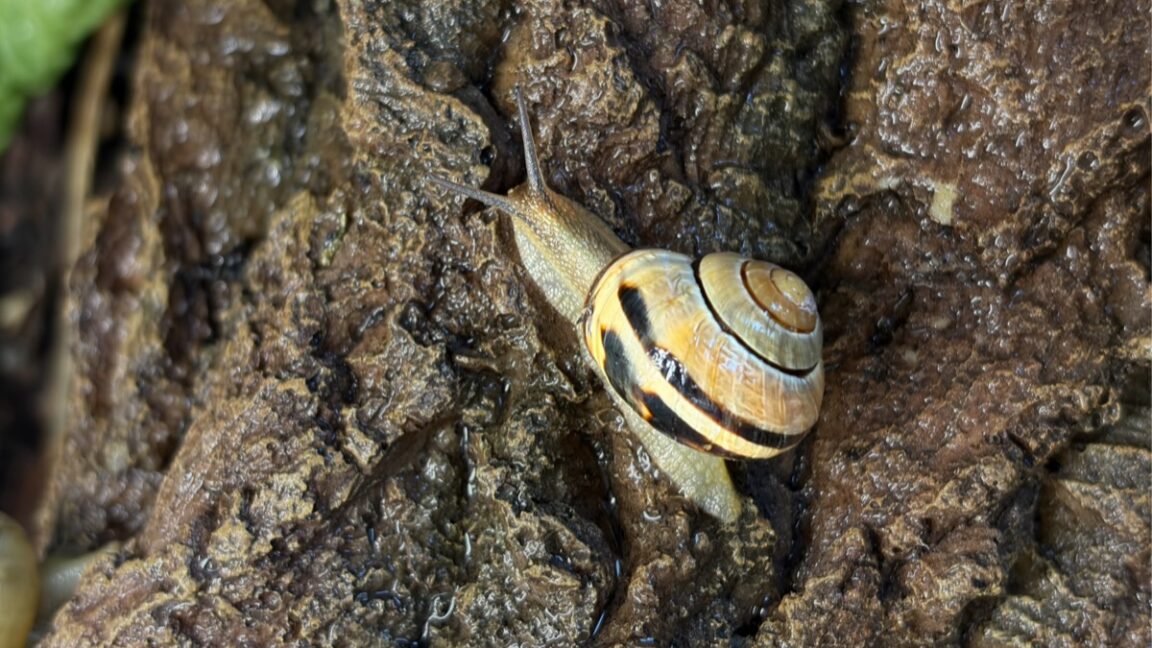
The research team focused their investigation on the grove snail/lemon snail (Cepaea nemoralis), a species that secretes five distinct types of mucus, each with unique functions. One variety acts as a lubricant to facilitate the snail's movement, while another serves as an adhesive glue to help it adhere to surfaces. Additionally, there's an epiphragm mucus layer that the snail produces during hibernation, which contains calcite and serves to seal the shell, shielding the creature from predators and environmental stressors.
The scientists determined that collagen and calcium play a crucial role in enabling snails to tailor the properties of their slime. By combining these elements in specific proportions, snails can create mucus of varying mechanical characteristics to suit their needs. This breakthrough not only enhances our understanding of snail biology but also opens up new possibilities for harnessing the unique properties of snail slime in biomedical applications.
Written by urgent.news from Ars Technica Science's reporting — not their text. Machine-written — may contain errors; check the original before relying on it.
Also reported by 1 other outlet
- How snails engineer their slime arstechnica.com