Government targets 10% renewable energy mix by 2030, tasks BPA to lead expansion
The Government of Ghana has reaffirmed its commitment to achieving at least 10% renewable energy penetration in the country’s electricity generation mix by 2030, with the Bui Power Authority (BPA) expected to spearhead efforts towards meeting the target. Energy and Green Transition Minister, Dr John Abdulai Jinapor, said all institutions within the energy sector must align their programmes and…
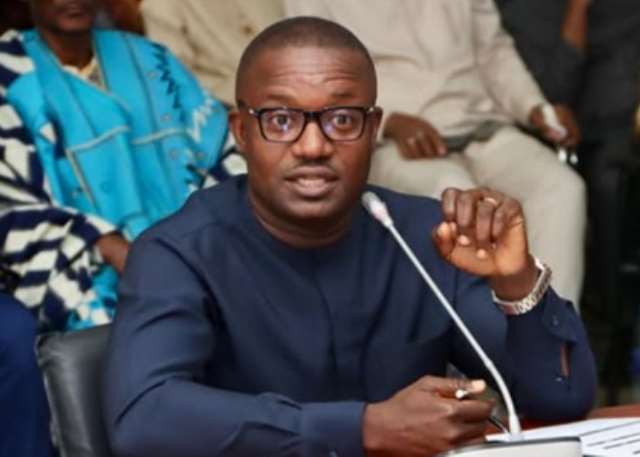
Ghana's government has pledged to achieve a minimum of 10% renewable energy in the country's electricity generation mix by 2030. The Bui Power Authority (BPA) is expected to be a key player in this push. Energy and Green Transition Minister, Dr John Abdulai Jinapor, emphasized that all energy sector institutions must align their programs and investments towards this national clean energy goal.
Speaking at the BPA's Annual Stakeholders Meeting in Accra, Dr Jinapor stressed the government's dedication to boosting renewable energy capacity, enhancing energy security, and promoting sustainability. The minister highlighted the necessary policy and regulatory framework established by the government to attract clean energy investments, enhance grid resilience, and broaden electricity access.
He specifically mentioned the Renewable Energy Master Plan, the amended Renewable Energy Act, and the National Energy Transition Framework as pivotal tools guiding Ghana's shift towards cleaner energy sources. Dr Jinapor also outlined the BPA's role under Act 1046, charging the Authority to continue spearheading the development of clean energy projects, particularly solar power generation and energy storage.
Priority projects include completing additional phases of the solar program at Bui Generating Station, the 50-megawatt Yendi Solar Project, and constructing new solar facilities equipped with battery storage systems in northern regions. The minister also pointed to ongoing 145-megawatt peak solar projects set to become operational this year, with continued policy support to hasten renewable energy development.
Currently, Ghana's renewable energy contribution is minimal, estimated at 1–2% of the national electricity generation mix, excluding large hydro sources. To meet the 2030 target, the government will need to boost renewable energy infrastructure investments, bolster regulatory support, and strengthen collaboration among energy sector institutions.
Written by urgent.news from MyJoyOnline Ghana's reporting — not their text. Machine-written — may contain errors; check the original before relying on it.