Five Russian defense bosses lose their EU assets and travel rights over Iskander and Sarmat missile production
The listed individuals run plants that produce precision components for the Iskander-M ballistic missile and the RS-28 Sarmat intercontinental rocket. Three others head Russian companies building drone software, military radios, and space-based weapons technology.
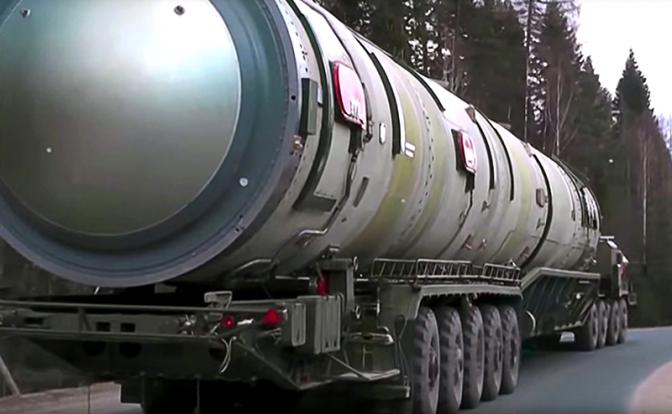
On August 7, the European Union imposed sanctions on five Russian defense executives involved in the production of missile systems like the Iskander-M and Sarmat, a statement from EU foreign policy chief Kaja Kallas revealed. These sanctions target the heads of plants responsible for manufacturing components for these missiles, as the EU responds to Russia's increasing missile strikes on Ukraine.
This move comes amidst Russia's intensified ballistic missile attacks on Ukrainian cities, rendering Russian missile production output greater than Western interceptor production.
Among the sanctioned individuals are Ramil Badgutdinov, CEO of the Serpukhov Metallist plant, and Aleksandr Dyukarev, CEO of the Krasnoyarsk Machine-Building Plant. Both plants are crucial for producing precision electromechanical components and ballistic missiles, including the RS-28 Sarmat intercontinental system. Three other directors head Russian companies manufacturing military communications systems, drone software, and space-based military technology.
Each sanctioned individual now faces EU asset freezes, a ban on providing them funds or economic resources, and a travel ban. Kallas emphasized that the decision was made in response to a European Council call from June 18-19, urging intensified pressure on Russia through further sanctions. The EU Council stated that each new attack on Ukraine justifies tightening the screws on Russia, especially as Moscow escalates its terror campaign against civilians.
These sanctions follow a series of 21 sanction packages adopted by the EU since 2014, with the latest comprehensive package approved in July 2026. Despite four years of Western sanctions, Russian missile factories continue to receive foreign components, with parts manufactured after sanctions being delivered within months, allowing production to maintain wartime rates.
Ukrainian strikes have also targeted factories involved in Iskander component production, further highlighting the ongoing challenges in cutting off Russia's missile supply chain.
The EU's decision to sanction these Russian defense bosses signifies a commitment to intensifying pressure on Russia until it ends its war against Ukraine.
Written by urgent.news from Euromaidan Press's reporting — not their text. Machine-written — may contain errors; check the original before relying on it.
This story
This is one outlet's version. Read the fullest account.
- Russian e-commerce giant Wildberries adds drone strikes to seller insurance policies amid wave of Ukrainian warehouse attacks theins.press
- Musk refuses to help Ukraine launch strikes against Russian missile launchers english.nv.ua
- Ukraine strikes Wildberries warehouse more than 2,000 kilometers inside Russia meduza.io
- Ukraine’s General Staff confirms strikes on two Russian refineries and Black Sea rig euromaidanpress.com
- The growing Russian threat giving Ukraine only seconds to react sbs.com.au