Do dolphins grieve the way humans do?
A dolphin mother has carried its calf's remains for 11 days in what researchers believe could potentially reveal something new about dolphin mourning.
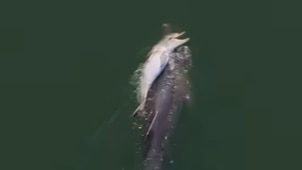
A documentary of a dolphin mother mourning her deceased calf has captivated thousands, prompting speculation about whether dolphins grieve like humans. The footage, captured by Geographe Marine Research in Bunbury, Western Australia, shows a pod of dolphins surrounding a grieving mother as she carries her dead two-week-old calf through an estuary.
The non-profit conservation group, which uses the footage to monitor marine life in the region, says they frequently observe dolphins displaying what experts term "epimeletic" behaviour - a term used to describe mourning and caregiving towards sick or dying members of a group. According to Capri Jolliffe, the head researcher at Geographe Marine Research, dolphins and other highly social animals are more likely to experience grief after loss due to their high social cognition.
Elephants, apes, canines and various whale species have all been documented exhibiting similar behaviours. Dolphins, in particular, form strong bonds with their calves and are known to invest significant energy into raising them. In this case, the grieving mother, known as Fraggle, held onto her calf for 11 days - a period longer than ever recorded in dolphins.
The team suggests this could be due to Fraggle's extensive experience with grief or slowed decomposition rates. Regardless, the case represents one of the longest observations of a dolphin mother grieving, offering insights into the emotional lives of these intelligent creatures.
Written by urgent.news from ABC News AU's reporting — not their text. Machine-written — may contain errors; check the original before relying on it.