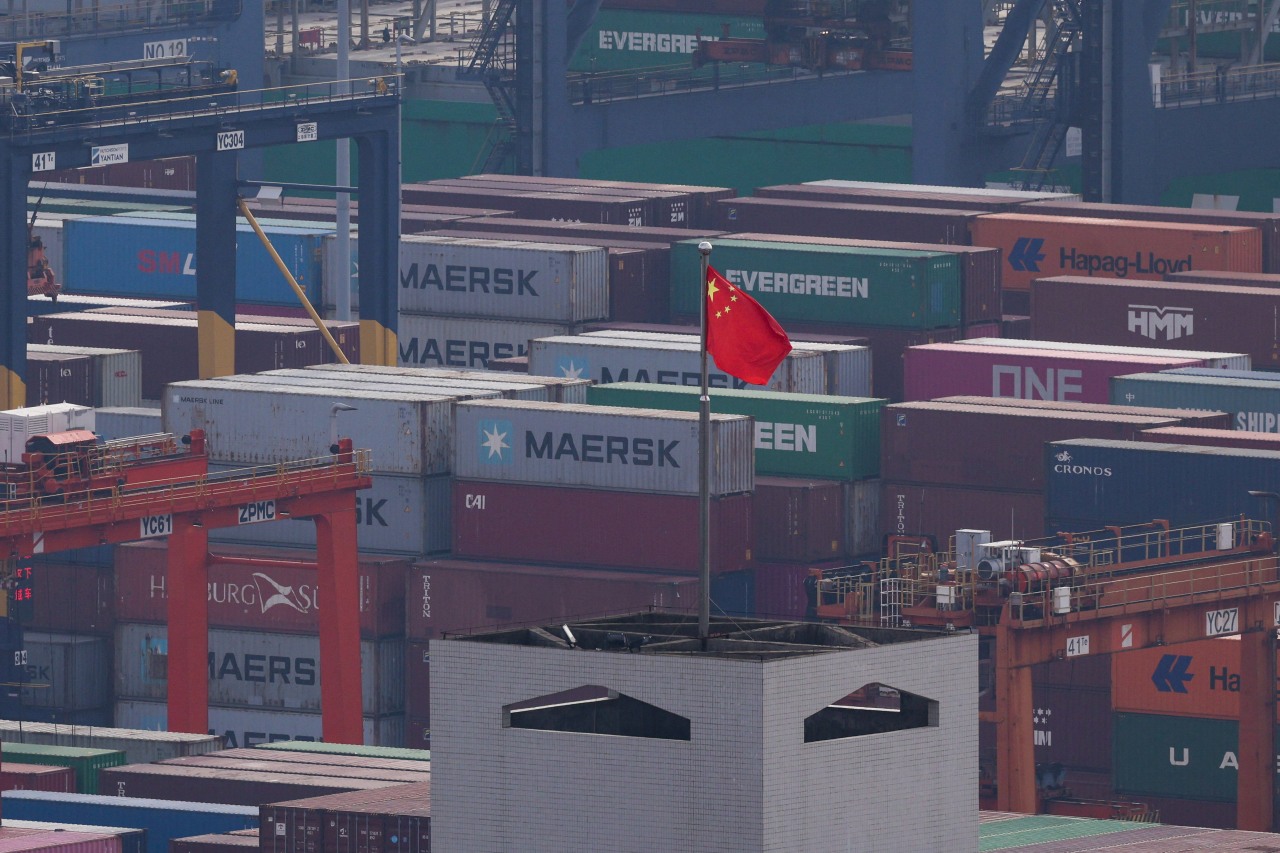
China's exports jump 23% in July, beating estimates; imports cool
China's exports rose more than expected in July, as global demand for high-tech components continues to absorb the country's manufactured goods.

China's exports surged 23% in July compared to the previous year, surpassing market expectations, according to customs data released on Friday. This growth rate, however, was slightly lower than the 27% increase seen in June, marking a deceleration from the country's fastest monthly export growth since October 2021. In contrast, imports increased by 27.5% in July, slightly falling short of the 27.9% projection in a Reuters poll, yet still outpacing the 36% rise recorded in June — the quickest rate in five years.
The upward trend in exports can be attributed to a global push towards AI infrastructure development, which has bolstered China's economy despite domestic consumption remaining subdued. Concurrently, Chinese exporters accelerated the shipment of goods bound for the United States in anticipation of an upcoming tariff hike. Washington imposed a 12.5% tariff on Chinese products in late July, replacing a temporary 10% rate that had expired.
The trade deficit for July amounted to $112.5 billion, exceeding analysts' estimates of around $107 billion and marking a narrowing from $125.6 billion in June. Zhiwei Zhang, president and chief economist at Pinpoint Asset Management, anticipates that China's export-driven economy will continue to thrive in the third quarter. Beijing's substantial trade surplus, which reached nearly $1 trillion in 2022, has become a point of contention for its trading partners, including the United States and the European Union.
Officials in these regions have urged China to rebalance its economy towards expanding domestic consumption. Zhang expects intensified negotiations between China and major trading partners in the coming months, particularly ahead of the anticipated U.S.-China summit in September and the EU-China economic relations meeting in October.
Nevertheless, Chinese authorities have reaffirmed their commitment to the slowing economy during a policy-setting meeting in late July, implementing accelerated fiscal measures and monetary adjustments, though they refrained from outlining specific steps to spur household spending. Despite this, China's economy contracted at its weakest pace since the final quarter of 2022 in the second quarter, with GDP growth slowing to 4.3% in the April to June period.
June saw retail sales expand by just 1%, a minimal rebound from May's 0.6% decline, while consumer inflation eased to 1% from 1.2% in the previous month, and factory-gate prices rose 4.1%, the highest level since July 2022.
Written by urgent.news from CNBC's reporting — not their text. Machine-written — may contain errors; check the original before relying on it.