China extends trade boom as global AI tech demand surges
Chinese exports and imports soared in July, official data showed Friday, as the manufacturing powerhouse benefits from a global AI boom lifting overseas demand for its tech products. The world’s second-largest economy last year achieved a historic trade surplus of nearly US$1.2 trillion, helping its manufacturing sector through a prolonged slump in domestic consumption. The […]
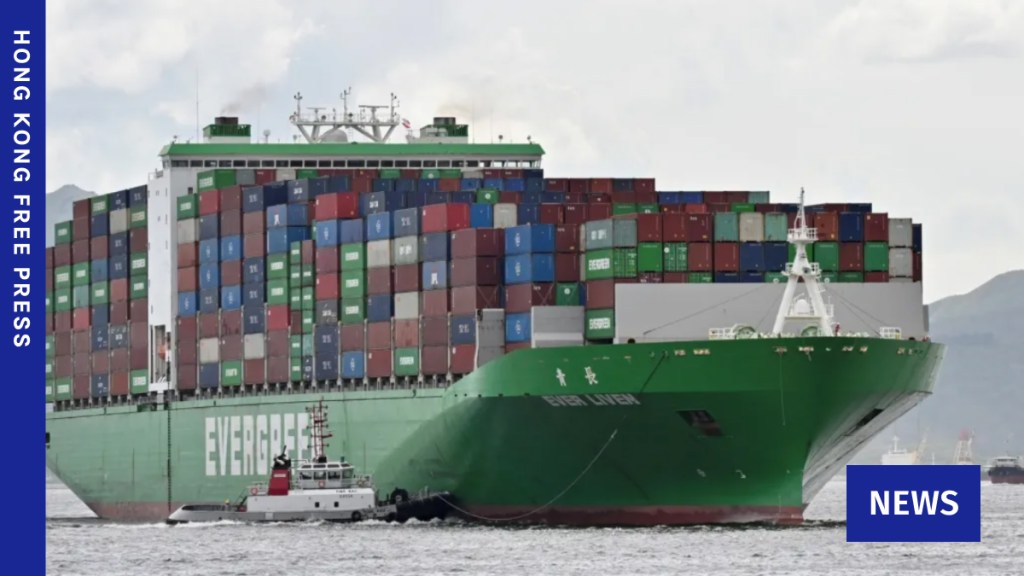
In July, Chinese exports and imports surged to record highs, driven by a global demand for artificial intelligence technology, according to official data released on Friday. The manufacturing giant's exports increased by 23.9 percent year-on-year, compared to the forecasted 23.0 percent, according to the General Administration of Customs (GAC).
Notably, overseas shipments of computers and related components leapt by 45.2 percent in the first seven months of the year. Julian Evans-Pritchard of Capital Economics noted that export and import values remain elevated due to soaring global demand for electronics and green technology products.
China's trade surplus, which reached nearly $1.2 trillion last year, is expected to mirror that figure by the end of July, with a projected $687 billion surplus through the first seven months, reported Friday. This substantial gap has drawn attention from abroad, particularly in Europe, where local manufacturers fear being overshadowed by Chinese exports.
Beijing maintains it did not intentionally pursue a trade surplus, with the Communist Party's Politburo urging a more balanced trade development during a crucial meeting last month.
While imports rose by 27.5 percent in July, the growth slowed from the 36 percent surge in June and failed to meet a Bloomberg projection of 29.5 percent growth. Nonetheless, the surge in exports continues to bolster the economy, with China-US trade tensions persisting despite recent negotiations. China's shipments to the United States rose by 17 percent year-on-year, resulting in a surplus of nearly $171 billion with the country this year.
The data was released amid ongoing trade tensions, with China imposing restrictions on drone exports to the United States and blacklisting six firms following sanctions imposed by Washington over labor and national security concerns. The relationship between the two nations is set to be further evaluated as Chinese President Xi Jinping prepares for a state visit to the United States in late September.
Written by urgent.news from Hong Kong Free Press's reporting — not their text. Machine-written — may contain errors; check the original before relying on it.
Also reported by 4 other outlets
- China extends trade boom as global AI tech demand surges hongkongfp.com
- China extends trade boom as global AI tech demand surges gulf-times.com
- China extends trade boom as global AI tech demand surges qatar-tribune.com
- Free DeepSeek with your beer? Beijing bar captures China’s AI boom malaymail.com