India’s Communal Violence is Crossing into Nepal
With the RSS steadily building on Nepali soil, Hindu-Muslim tensions and violence are growing, especially in Nepal’s Tarai-Madhesh region bordering India
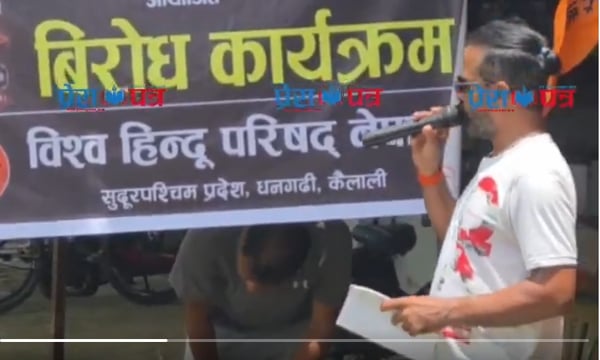
Communal tensions are spilling over from India into Nepal, particularly in Nepal's Tarai-Madhesh region which borders India. India's Hindu nationalist groups like the Rashtriya Swayamsevak Sangh have been gaining influence in Nepal, and Hindu-Muslim tensions have been rising as a result. In early 2024, four Nepali youths were killed in clashes with police during a Hindu procession that played loud music.
The Hindus involved were angered by green pennants displayed for the Muharram festival, which had not been removed as demanded by local Muslims. There have been at least 17 incidents over the past eight years of Hindu-Muslim tensions in the Tarai belt. The situation escalated when the Ram Temple was inaugurated in India's Ayodhya in January 2024, leading to more Hindus displaying saffron flags in Nepal.
In response, Muslims have begun hoisting green pennants, mirroring the situation across the border. These heightened tensions are worrying for Nepal, a country that declared itself secular in its 2015 constitution. While 81% of Nepalis identify as Hindu, tensions between Hindus and religious minorities are increasing. The constitution allows for the protection of religion and culture, potentially giving Hindu traditions implicit privilege.
Recent handling of the Sunsari police firing incident by the interim government also suggests a lack of proper management of the situation. The interim government's approach has been criticized for using disproportionate force and failing to appeal for calm early on. However, major political parties have come together to appeal for communal harmony.
The key to maintaining religious harmony and Nepal's secular character will be a broad political consensus to separate religion from politics, with explicit commitments from parties not to campaign on religious lines and greater representation for minorities in local administration and policing.
Written by urgent.news from The Diplomat's reporting — not their text. Machine-written — may contain errors; check the original before relying on it.