AI models design viruses not found in nature for first time
Researchers from Stanford University have synthesised brand-new, self-replicating viruses using genomes designed by artificial intelligence for the first time, raising the possibility of significant medical advancements but also prompting concerns the technology could be misused.
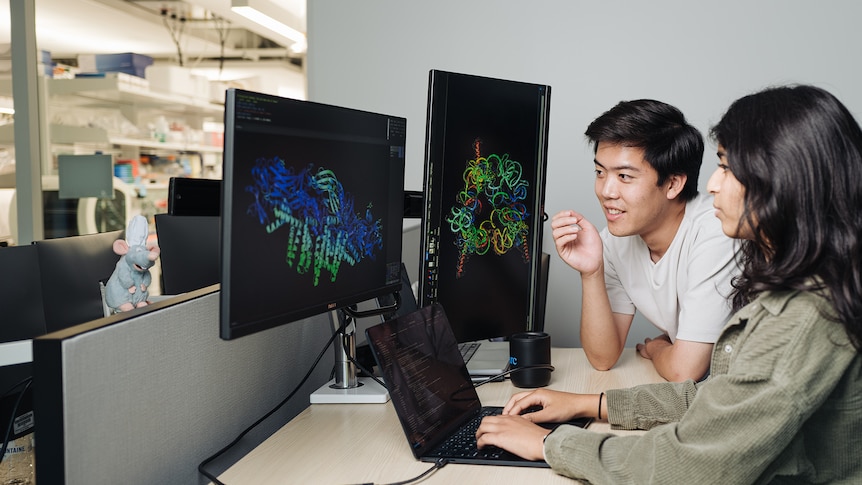
Researchers from Stanford University and the Arc Institute have successfully created entirely new viruses that have never been found in nature, using artificial intelligence to design their genomes. These novel viruses, which were designed to infect E. coli bacteria, were generated by AI models trained on genetic code from various sources, including other viruses, bacteria, plants, and animals.
The researchers utilized two genome language models, named Evo 1 and Evo 2, which predicted genetic code in a manner similar to large language models but for genetic sequences. After generating approximately 700,000 potential designs, the scientists selected 285 of the most promising and synthesized new DNA molecules based on these designs.
These molecules were then inserted into E. coli bacteria, resulting in the emergence of viable bacteriophages, or viruses, that attacked and replicated inside the bacteria. While the creation of these new viruses holds potential for significant medical advancements, such as revolutionizing phage therapy for antibiotic-resistant bacteria, there are also serious concerns regarding the technology's potential misuse in creating powerful bioweapons.
Scientists and ethicists have expressed worry over the lack of proper regulations to govern the use of this powerful technology, despite the researchers' implementation of safety measures to exclude viruses that could infect humans and animals from their models' training data and conduct the experiment in a secure laboratory setting.
Written by urgent.news from ABC News AU's reporting — not their text. Machine-written — may contain errors; check the original before relying on it.