What makes multinational companies conserve mangroves in India?
The country’s biggest corporate mangrove projects are yet to generate carbon credits. But they could lay the foundation for a blue carbon market, experts say The post What makes multinational companies conserve mangroves in India? appeared first on Dialogue Earth .
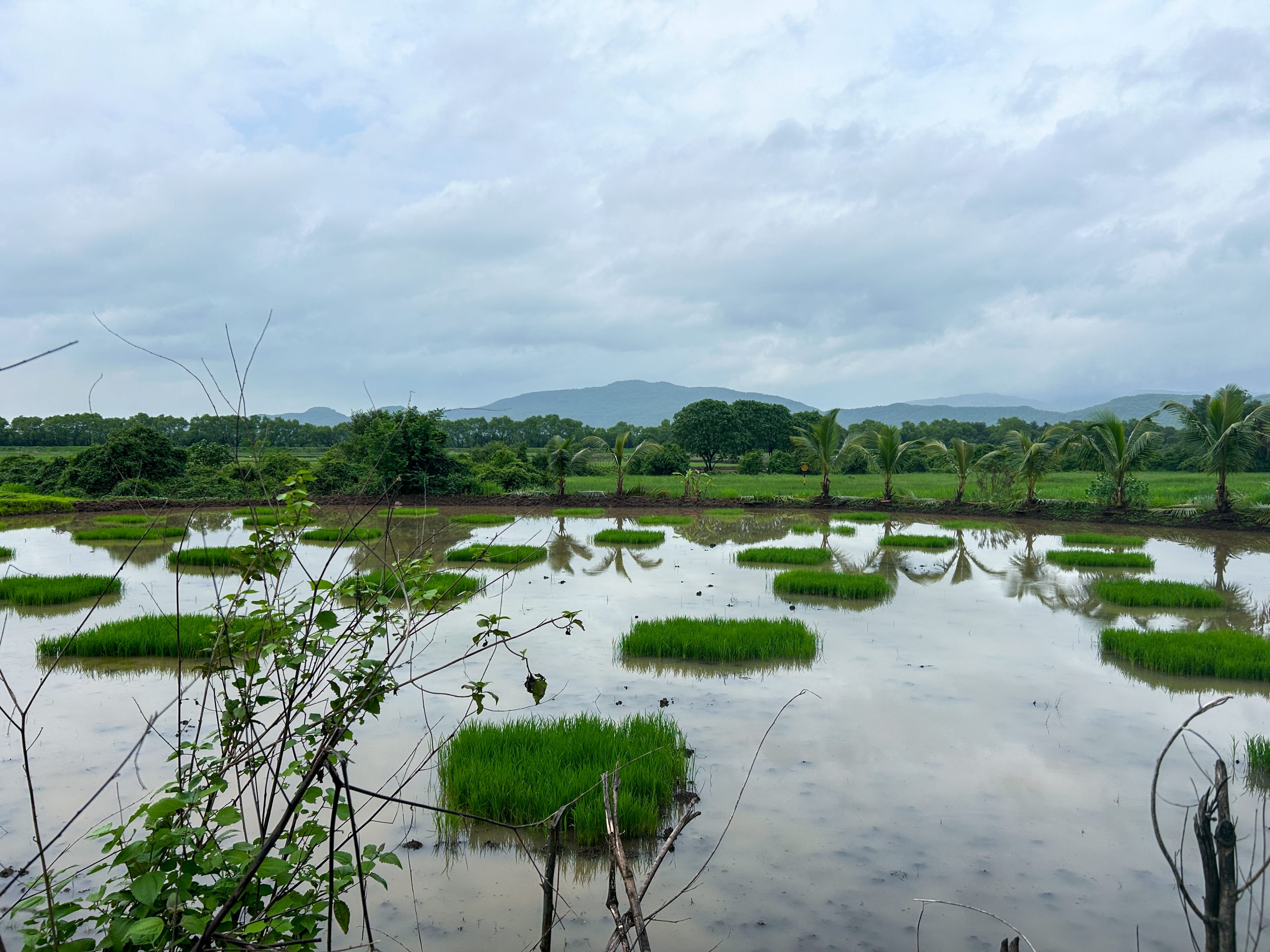
In July 2023, heavy monsoon rains affected the Maharashtra coast, leading to the transformation of once-fertile agricultural land into a submerged landscape. Kailas Gawand, a resident of Mankule, shared how a failed coastal bund in 1990 allowed seawater to inundate the area, but also resulted in the growth of saltwater mangroves, which provide natural protection against storms.
Gawand, who owns a two-hectare plot, signed a conservation agreement with a Pune-based NGO in partnership with Apple, which has invested $200 million in mangrove conservation projects globally. Apple, Godrej Enterprises Group, and Amazon are among the companies that have financed mangrove conservation initiatives in India, though none currently generate carbon credits.
Unlike several global projects, such as Kenya's Mikoko Pamoja and Colombia's Vida Manglar, which generate significant carbon credits, Indian projects are focused on conservation, biodiversity, and improving community livelihoods. Experts suggest that these projects could evolve into structured "blue carbon" initiatives, which involve capturing and storing carbon in ocean and coastal ecosystems.
However, this evolution requires building scientific knowledge, improving monitoring systems, and developing community partnerships necessary for carbon markets. For companies, mangrove conservation serves as a "good stepping stone for entering the carbon market" and helps them understand the landscape and potential opportunities.
Mangroves are highly efficient in carbon sequestration, capable of absorbing 6-8 tonnes of CO2 per hectare annually, and provide additional benefits such as storm protection, flood reduction, biodiversity support, and community sustenance.
Written by urgent.news from Dialogue Earth's reporting — not their text. Machine-written — may contain errors; check the original before relying on it.