Large genome models used to design new viruses
The AI system makes genetically distant versions of a bacteria-killing virus.
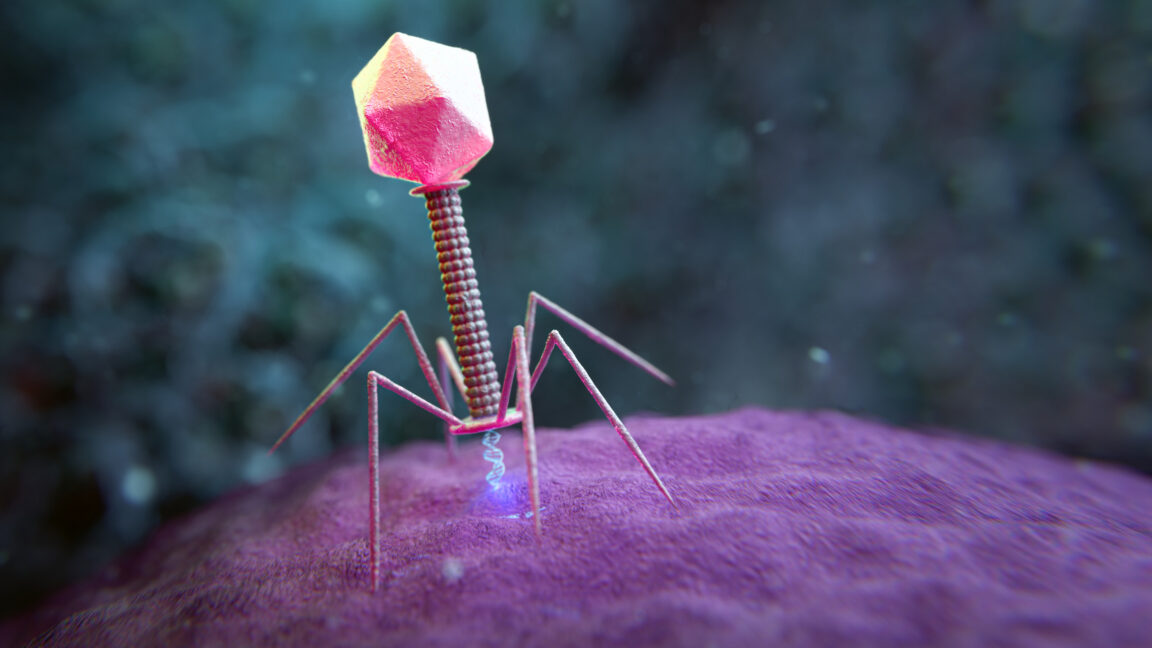
Scientists have been harnessing the power of artificial intelligence to design proteins, due to their pivotal role in various biological processes. Proteins are instrumental in catalyzing essential chemical reactions and maintaining cellular structure. By manipulating proteins, researchers can introduce novel biochemical functions, opening up possibilities for innovative applications.
Though the genetic code acts as an intermediary between DNA and proteins, it's not clear how a model trained on DNA could be utilized. Despite this uncertainty, researchers managed to create a large genome model that successfully produced DNA sequences encoding functional proteins in bacteria, and even mimicked the gene structures observed in complex cells.
The same genome models have now been employed to generate the genomes of viruses that infect bacteria. Although these newly created viruses are closely related to existing viruses, they possess distinctive features that would prove difficult for natural evolution to develop. The researchers affiliated with Stanford University, who conducted this groundbreaking work, suggest that we should begin contemplating preparations for a potential scenario in which a similar AI could design a virus targeting vertebrates.
Written by urgent.news from Ars Technica Science's reporting — not their text. Machine-written — may contain errors; check the original before relying on it.
Also reported by 1 other outlet
- Large genome models used to design new viruses arstechnica.com