Large genome models used to design new viruses
The AI system makes genetically distant versions of a bacteria-killing virus.
Artificial intelligence has increasingly been utilized in the field of biology, with a focus on designing proteins. Proteins are essential for life, as they catalyze complex chemical reactions and provide structural support within cells. By manipulating proteins, scientists can introduce new and potentially beneficial functions.
However, proteins are encoded by DNA, which presents an abstraction layer between the genetic material and the resulting proteins. Despite this, researchers have managed to create a large genome model trained on DNA sequences, which can generate DNA sequences capable of encoding functional proteins in bacteria and even mimic the gene structures found in more complex cells.
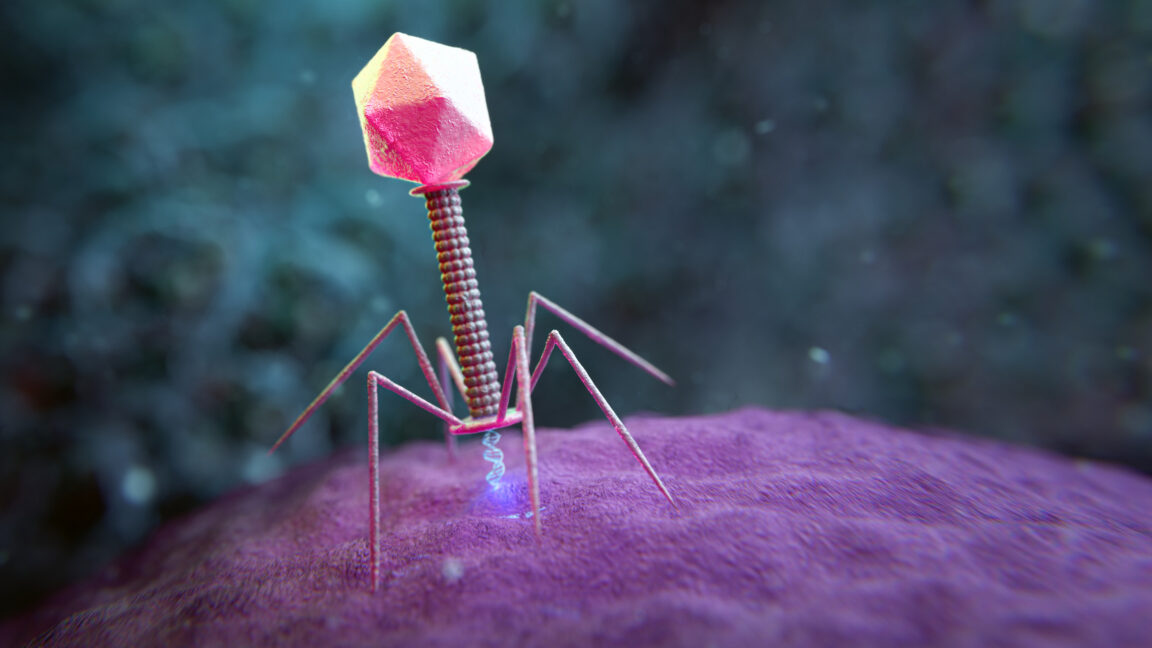
The remarkable capability of this genome model was recently employed to design genomes of viruses that infect bacteria. Although the viruses generated by the models are closely related to existing viruses, they possess distinct features that would be difficult to evolve naturally. This breakthrough in virus design has prompted researchers at Stanford University to consider the potential implications of future advancements in AI technology.
They warn that as the capabilities of AI models continue to grow, there is a possibility that someone could develop a related AI system capable of designing viruses specifically targeting vertebrates. The researchers stress the importance of beginning to prepare for this potential scenario now, as the implications could be far-reaching and pose significant challenges.
Written by urgent.news from Ars Technica's reporting — not their text. Machine-written — may contain errors; check the original before relying on it.
This story
This is one outlet's version. Read the fullest account.
- Large genome models used to design new viruses arstechnica.com