What is emotional regulation? A child psychologist explains
The aim isn’t to get rid of difficult feelings, but to find ways of managing them effectively.
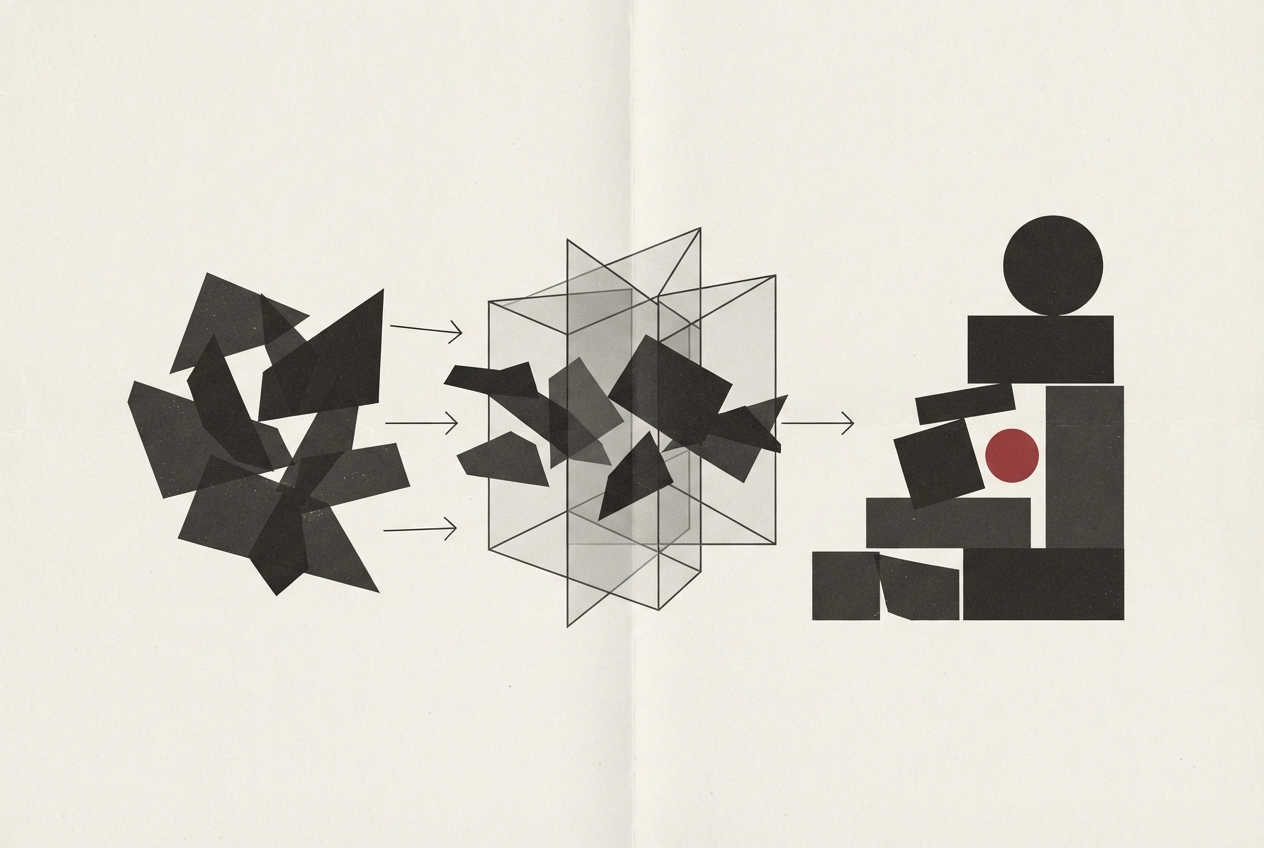
Emotional regulation is the ability to manage one's emotions, encompassing both positive and negative feelings. It is a set of skills that develops over time, starting in childhood and influenced by both genetic and environmental factors. The goal of healthy emotional regulation is not to suppress difficult emotions, but to manage them effectively to prevent overwhelm.
Emotional regulation is distinct from temperament, which is an innate, biologically driven style of approaching the world. There are two types of emotional regulation: self-regulation, managing one's own emotions, and co-regulation, helping others manage theirs. Co-regulation is particularly important in relationships, such as with children, as it helps them navigate intense emotions.
Understanding the emotional cycle, where thoughts, body reactions, feelings, and behaviors interact, can help individuals break harmful cycles and respond more effectively. Healthy emotional regulation enables people to use emotions as information without letting them control their lives. There are several strategies for emotional regulation, some healthy and some less so, and factors like stress and sleep quality can hinder the process, increasing the risk of less effective coping strategies.
Emotional dysregulation, the opposite of emotional regulation, occurs when one cannot manage emotions effectively, leading to negative consequences that impact physical health, sleep, mental well-being, and daily functioning. Learning to address emotional dysregulation early can help reduce the risk of long-term issues, including severe mental health conditions.
Written by urgent.news from The Conversation's reporting — not their text. Machine-written — may contain errors; check the original before relying on it.
Also reported by 2 other outlets
- What is emotional regulation? A child psychologist explains medicalxpress.com
- What is emotional regulation? A child psychologist explains thehindu.com