Australia removed island rabbits in 1986; native habitat is returning
Phillip Island has undergone a remarkable environmental turnaround following an extensive pest eradication initiative. The island is witnessing a resurgence of native flora and is nurturing thriving colonies of migratory seabirds. Each year, it becomes a safe haven for thousands of seabirds to breed. Ongoing restoration efforts aim to safeguard native wildlife and reinforce vulnerable soil…
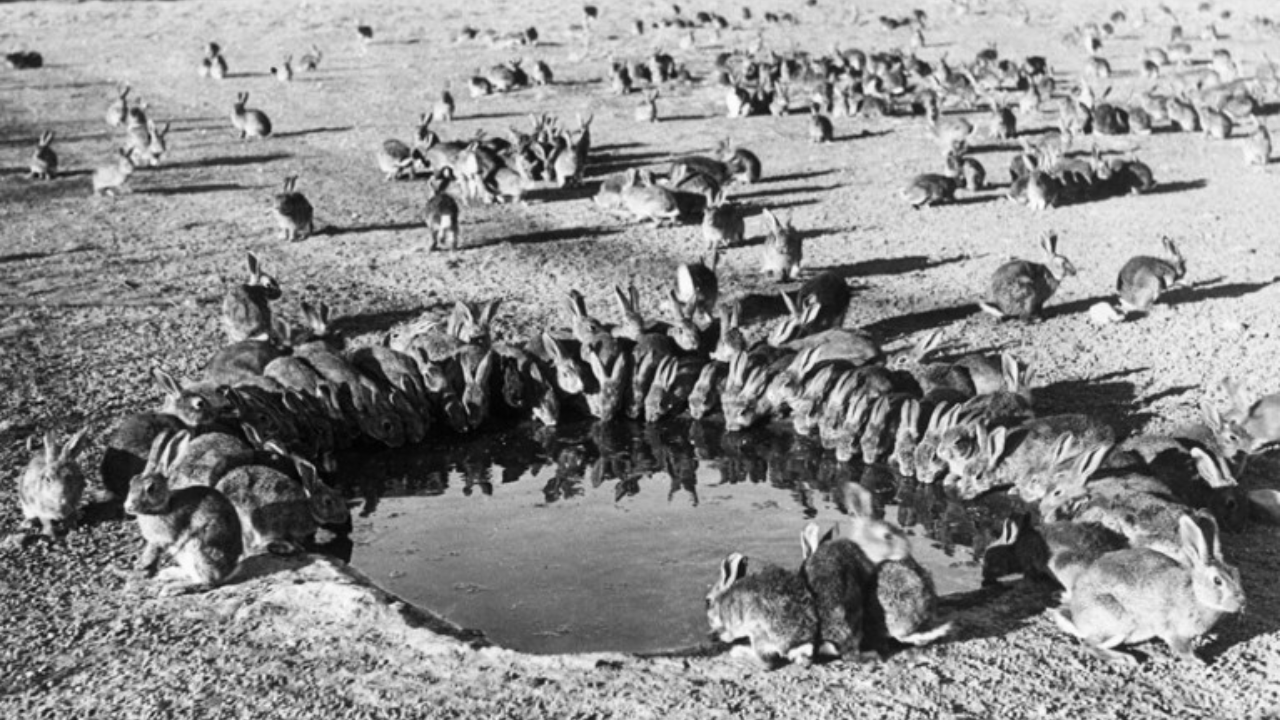
Phillip Island, situated six kilometres south of Norfolk Island, is undergoing a remarkable environmental recovery following the eradication of rabbits in 1986. This volcanic island, part of Norfolk Island National Park, had become almost barren due to centuries of livestock and rabbit grazing, which destroyed native vegetation.
Once considered a lost cause, the island began to see native plants and seabird colonies return once the pests were removed. The island's barren state was a result of uncontrolled grazing by pigs, goats, and rabbits introduced during European settlement, which led to the destruction of subtropical vegetation. The rabbits, in particular, continued to pose a threat despite the disappearance of pigs and goats, causing soil erosion and preventing the natural growth of forests.
In 1978, a targeted eradication campaign was launched, using methods such as myxoma virus strains, 1080 poison baiting, trapping, and shooting across the island's cliffs. By March 1986, the island was declared free of breeding rabbit populations. The recovery of vegetation on Phillip Island is a testament to nature's ability to restore balance to ecosystems under stress.
The return of native plants has provided a safe breeding ground for various seabird species, including masked boobies, black-winged petrels, sooty terns, and black noddies. The island's unique geology, shaped by volcanic activity millions of years ago, adds to its significance as a natural refuge for rare species. However, ongoing conservation efforts are crucial to protect the island's fragile ecosystem, including controlling invasive weeds and monitoring seabird populations.
Written by urgent.news from Times of India's reporting — not their text. Machine-written — may contain errors; check the original before relying on it.