Spacewalk Begins for Solar Array Modifications
NASA astronauts Jessica Meir and Anil Menon began a spacewalk at 8:35 a.m. EDT outside the International Space Station to prepare the 3B power channel for the future installation of new roll-out solar arrays. Once installed, the arrays will provide additional power to support critical station operations, including its safe and controlled deorbit. The post Spacewalk Begins for Solar Array…
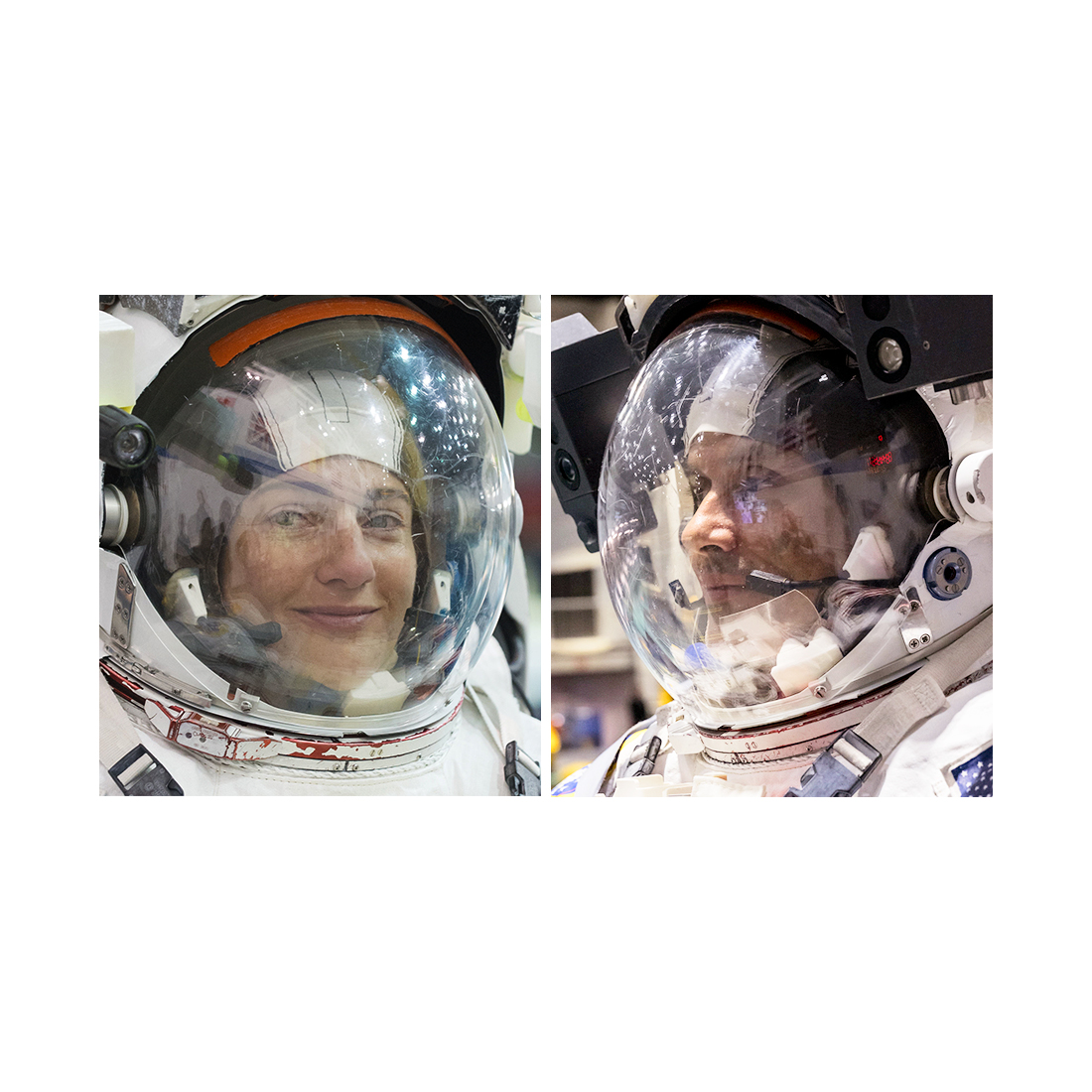
NASA astronauts Jessica Meir and Anil Menon commenced an extravehicular activity at precisely 8:33 a.m. Eastern Daylight Time from the International Space Station. Their mission focused on priming the 3B power channel for the impending deployment of newly designed roll-out solar arrays. The enhanced arrays are anticipated to augment the station's power capacity, enabling it to sustain essential functions, including its safe and orderly return to Earth's atmosphere.
The spacewalk was broadcast live across several digital platforms, allowing space enthusiasts to witness the procedure in real-time. To tune in, visit the provided link: https://www.nasa.gov/live. Meir, designated as the first crew member, donned a suit identifiable by its red stripes. Menon, crew member number two, was not marked with any distinctive color or pattern on his suit.
For further updates on ISS activities, follow the ISS blog, @space_station on X, as well as the official ISS Facebook and Instagram pages. To stay informed, subscribe to NASA's weekly updates.
Written by urgent.news from NASA Science's reporting — not their text. Machine-written — may contain errors; check the original before relying on it.