US turns radioactive tank waste into 4.2 metric tons of glass daily
During the Cold War, the Hanford Site was vital to the U.S. nuclear program, generating plutonium but also creating a daunting legacy of hazardous radioactive waste—millions of gallons of it. Vitrification is at the heart of the solution, as it transforms this hazardous material into glass for safer long-term storage. The Vit Plant has started processing actual nuclear waste and aims for…
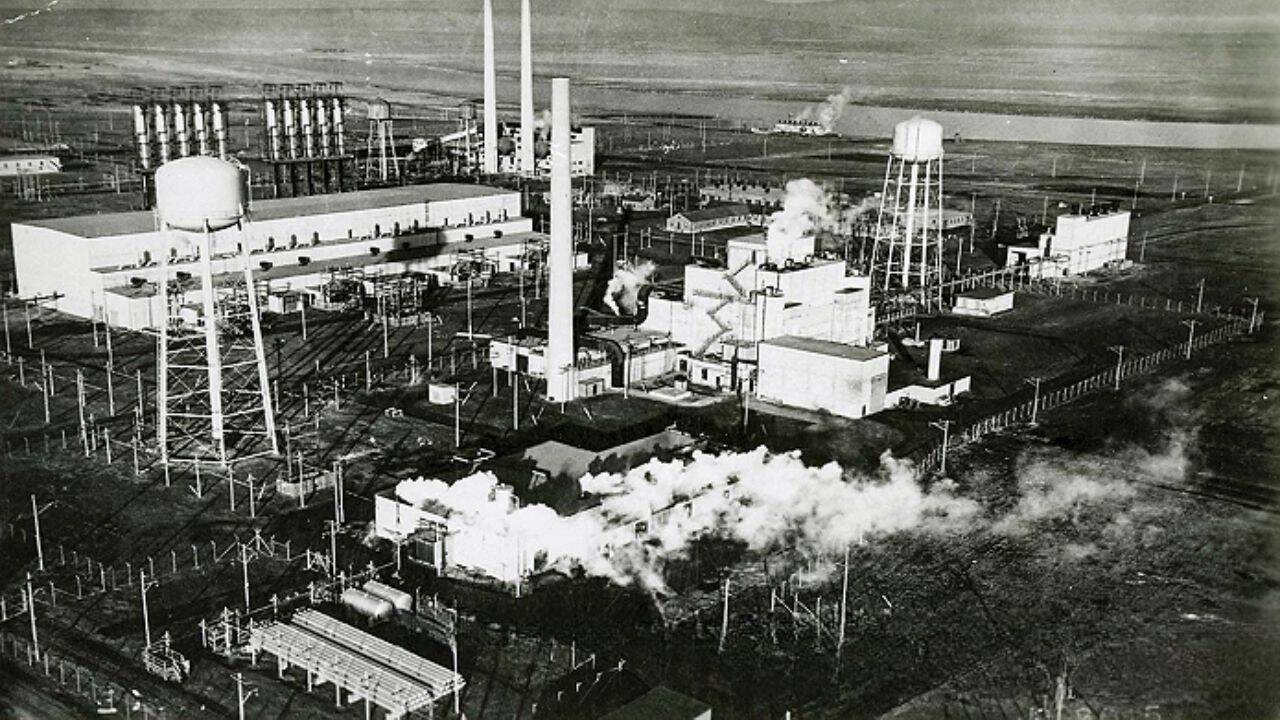
The United States, in collaboration with Russia, holds a significant portion of the world's nuclear weapons, with over 5,044 total warheads at its disposal. The country's strategic triad delivery systems are highly developed and well-maintained, despite not having a pressing need to expand its nuclear arsenal. However, the nation faces a pressing challenge in managing the radioactive waste accumulated over several decades at the Hanford Site in Washington state.
In 1943, Hanford was selected as the top-secret location for the Manhattan Project's plutonium supply. The area, sparsely populated except for 2,000 residents, including members of four tribal nations, was chosen for its availability of power and water from the nearby Columbia River. The site initially produced plutonium for the war effort, with the B Reactor being the first of three reactors to come online in 1944.
By 1987, the site had produced around 75 tons of plutonium, roughly two-thirds of the United States' total stockpile, through a complex process involving the dissolution of fuel rods in powerful chemical solutions.
The resulting radioactive waste, however, posed a formidable challenge. Instead of immediate disposal, the waste was pumped into 177 underground storage tanks. Some of these tanks have leaked, raising concerns about contamination of groundwater and the Columbia River. The long-term solution involves treating the waste, particularly the high-level waste, through a process called vitrification.
This involves separating the most radioactive material and turning both high-level and lower-level waste into solid glass, which remains stable for thousands of years.
The US Department of Energy, the US Environmental Protection Agency, and the Washington State Department of Ecology agreed on vitrification as the best option in the 1990s. However, the implementation has been slow and complex. In October 2025, the Hanford Tank Waste Treatment and Immobilisation Plant, or the Vit Plant, successfully trapped real nuclear waste in glass for the first time.
The plant, currently focused on producing low-activity waste glass, aims to produce about 21 metric tonnes of this glass daily. Once fully operational, it is expected to produce around 4.2 metric tonnes of high-level waste glass daily, addressing a significant portion of the country's nuclear waste problem.
Written by urgent.news from Times of India's reporting — not their text. Machine-written — may contain errors; check the original before relying on it.