Majority of England's rivers and lakes fail new environmental review
A comprehensive assessment of England's waterways is the first in six years and shows little improvement.
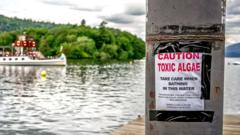
England's rivers, lakes, and coastal waters remain in poor ecological condition, with only about one in seven reported as being in good health, according to a comprehensive assessment by the Environment Agency (EA). No single waterway passed a chemical pollution test. The EA suggests the issue stems from persistent substances like heavy metals and "forever chemicals" accumulating over time.
The chair of the EA acknowledged the waterways were below standards but said enforcement was being increased to tackle issues like sewage spills.
The largest individual problem is phosphorus, a nutrient from sewage and farm runoff, with around half of rivers exceeding safe levels. Despite £22 billion earmarked for water company environmental improvements by 2030, the overall situation has changed little since 2019. The government is on track to miss its legally binding target of restoring 77% of England's waters to good condition by 2027, a goal the Office for Environmental Protection warns will be missed by a considerable margin.
Environmental Secretary Angela Eagle called for wholesale change across the water sector, highlighting new laws to hold water companies accountable and record investment. Water UK, representing water companies, stated they are investing record amounts in improving waterways, but noted some chemicals are difficult to tackle as they do not break down easily and accumulate in the environment.
Other pollutants include petrol, garden pesticides, and contaminated water running off roads, picking up microplastics and chemicals. The regulator highlighted that some chemicals are challenging to address as they do not easily degrade. Environmental scientists warn it's not just about regulating existing pollutants but also preventing new ones, like "forever chemicals" (PFAS) and antibiotics, from entering waterways in the first place.
The Environment Agency emphasized that this year's data cannot be directly compared to 2019 due to changes in assessment methods.
Written by urgent.news from BBC Science's reporting — not their text. Machine-written — may contain errors; check the original before relying on it.
This story
This is one outlet's version. Read the fullest account.