Lit Hub Daily: August 6, 2026
Why later in life is maybe the perfect time to read ancient classics (and why it’s never too late to love art for art’s sake). | Lit Hub Criticism Finding unexpected inspiration while writing from Ted Hughes’s childhood home: “The
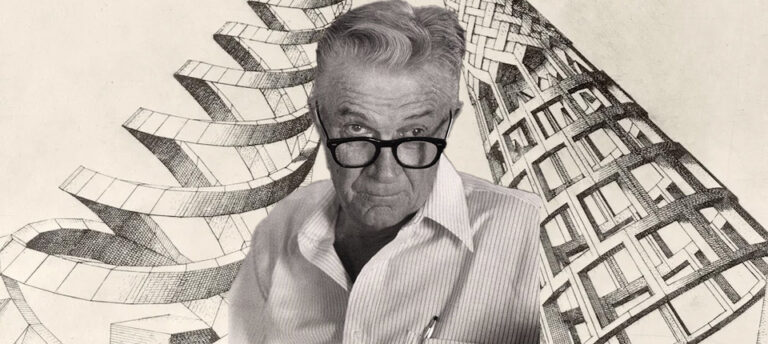
1920 marks the birth of John Graves, whose life would later find profound meaning in the study of ancient classics. It is never too late to appreciate art for its inherent value, and reading these timeless works can be an unexpectedly inspiring experience. When Ted Hughes, the renowned poet, penned his work, he was inspired by his own childhood home, channeling his inner "ghost" as he looked back to his formative years.
Literary critic Maris Kreizman advocates for embracing accessibility over technology, suggesting that owning a Kindle is not a prerequisite for enjoying literature. In the current Independent Press Top 40 Bestsellers, a diverse range of fiction and nonfiction titles capture readers' attention, offering a variety of narratives to explore.
While Gwendoline Riley's work is undoubtedly admired, author and reviewer warns against the notion of fangirling over her creations. In a reflective piece, Laurel Taylor draws intriguing parallels between the process of writing a novel and the exhilarating experience of hiking a mountain. Taylor also shares her thoughts on translating Maiko Seo's Someone to Cook For, shedding light on the nuances of literary adaptation.
Author A. Igoni Barrett's new novel, Whyteface, offers a captivating narrative that begins with a woman defying her father's wishes by loving another man. In a thought-provoking article, Michael Marinaccio speculates that artificial intelligence (AI) has unwittingly filled people with a false sense of intellectual superiority, much like the literary classic Plato warned about centuries ago.
Asya Sağnak's Lux piece explores the queer essence of noir fiction, delving into the dark, mysterious world of this genre through a queer lens. In China Books Review, Asya Sağnak examines the significance of reading banned books as a child during the tumultuous period of China's Cultural Revolution, providing a rare glimpse into this chapter of history.
Understanding the art of literary adaptation requires delving into the rich history of cinema. Gita Jackson's Aftermath considers the intersection of art, death, and writing, drawing parallels to Charli XCX's electrifying Lollapalooza set. Tate McFadden pays homage to Rachel Pollack's Doom Patrol, acknowledging its unique place in the annals of comics history.
Written by urgent.news from Literary Hub's reporting — not their text. Machine-written — may contain errors; check the original before relying on it.