The Great Solar Wall: China doubles down on its ambitious effort to tame deserts
Following in the footprints of its ambitious Great Green Wall, China is leaning into a solar-powered pivot as part of its decades-long effort to tackle desertification in the arid north. The expanding Great Solar Wall initiative, centred in the Inner Mongolia autonomous region, could help to power China’s economic hubs as the country accelerates its transition away from fossil fuels. Transforming…
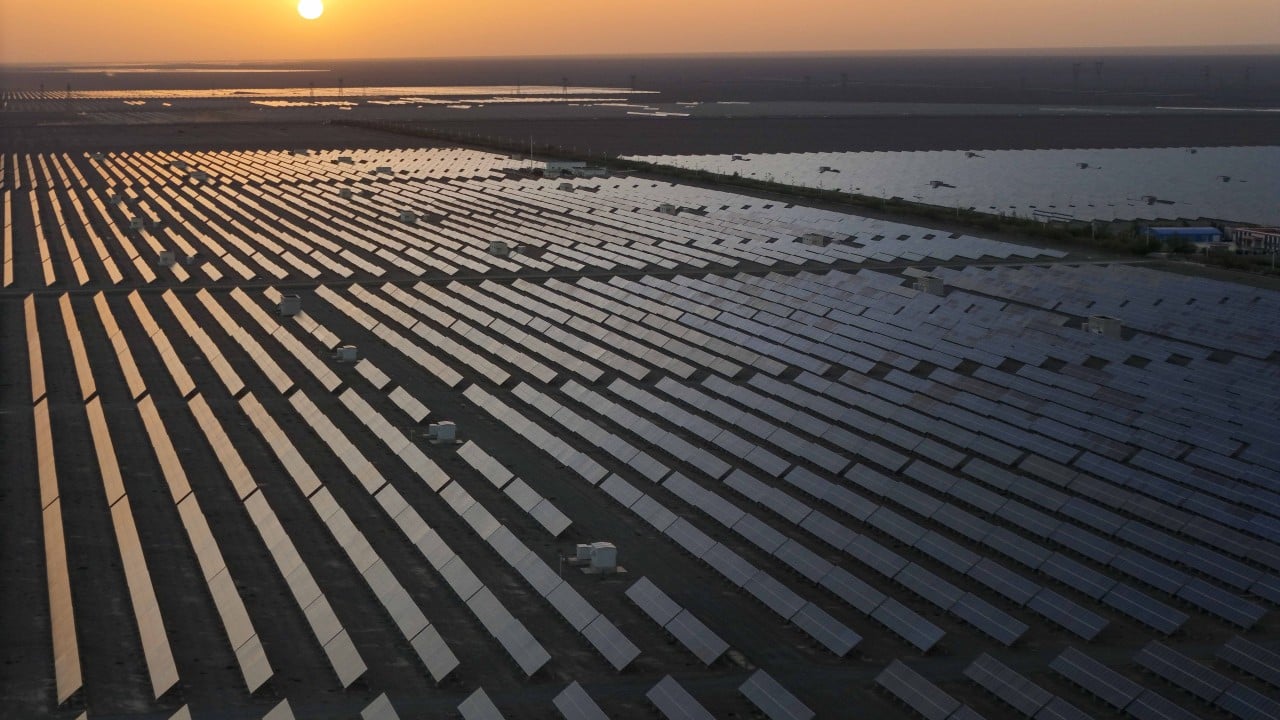
China is expanding its ambitious Great Solar Wall initiative in Inner Mongolia, a key component of its decades-long effort to combat desertification. The solar-powered project aims to generate clean energy while simultaneously halting desertification and creating habitats for plants and wildlife. The initiative, centred in Inner Mongolia, could help power the country's economic hubs as China accelerates its shift away from fossil fuels.
With much of the solar capacity under construction in arid regions like Inner Mongolia and Xinjiang, the Great Solar Wall is expected to surpass coal as China's largest source of installed power by the end of the year. The project, part of the Three-North Shelterbelt Programme, seeks to build large-scale wind and solar projects in arid regions to reach an installed capacity of 455 gigawatts by 2030.
In Inner Mongolia's Kubuqi Desert, a 1GW solar project has already transformed the landscape, with plans to cover over 15,300 hectares and generate 8GW of energy. The initiative's success relies on the integration of solar panels, windbreaks, and sand-fixing barriers, which create shaded areas conducive to plant growth and reduce wind erosion.
NASA's analysis of satellite data has also supported the claim that solar projects have contributed to desert greening efforts in China.
Written by urgent.news from Reuters Business via SCMP's reporting — not their text. Machine-written — may contain errors; check the original before relying on it.