Next step for LINK spacecraft – a software update that won't make things worse. Are you listening, Microsoft?
Spin slows as orbital rescue mission creeps forward
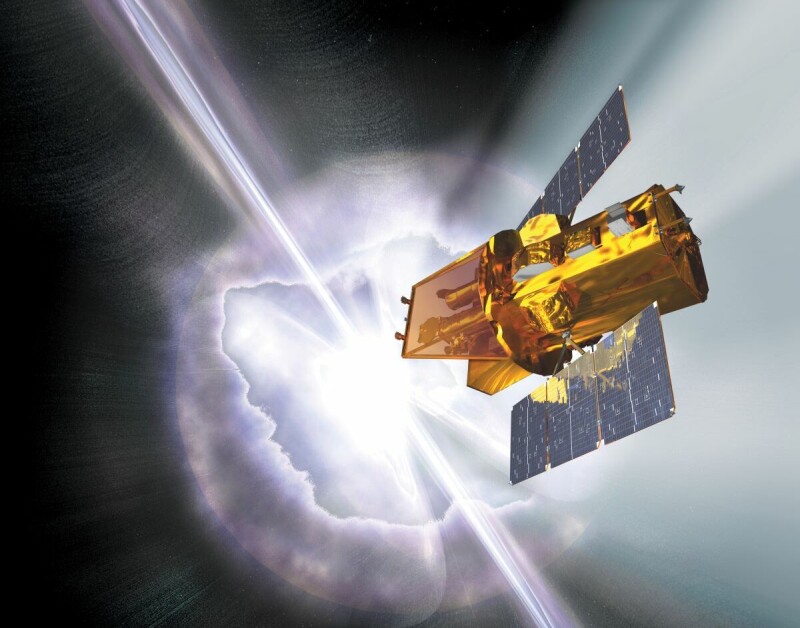
Katalyst Space continues to make strides in rescuing the spacecraft tasked with saving NASA's Swift observatory. The LINK vehicle, launched in July, has reduced its spin from 9 degrees per second to 1.47 degrees per second. Katalyst Space will maintain this rate "while the team prepares for the next phase of the mission." The subsequent step is a significant software update for the flight system, as a major portion of the attitude control system, initially functional, is now non-operational.
This modification is necessary to accommodate the spacecraft's altered configuration and restore full attitude control. Katalyst Space reassures that this update avoids exacerbating the situation. They also aimed to reassure about fuel consumption; less than 100 grams of propellant were used with one electric propulsion thruster to regain control, thereby conserving fuel for the rendezvous and boost phase.
NASA confirms LINK's three ion thrusters are powered by approximately 60 kg of xenon gas. The cause of the attitude control failure remains undisclosed; however, Katalyst Space mentioned technical issues during spacecraft commissioning. The roll rate reduction to 1.47 degrees per second is a critical step in recovery and a hopeful move towards rescuing NASA's Swift observatory, which is nearing a critical altitude threshold.
Upon successful software update, the next phase involves a rendezvous and capture of the NASA's Neil Gehrels Swift Observatory using LINK's robotic arms. After capture, LINK will gradually raise Swift back to its original orbit over several months before detachment and re-entry into Earth's atmosphere.
Written by urgent.news from The Register Science's reporting — not their text. Machine-written — may contain errors; check the original before relying on it.
This story
This is one outlet's version. Read the fullest account.