Could Meta Ray-Bans be banned in Europe? EU regulators dial up the pressure on smart glasses — and the rest of the world is watching
As EU regulators consider smart glasses restrictions, here are the countries with intelligent eyewear bans.
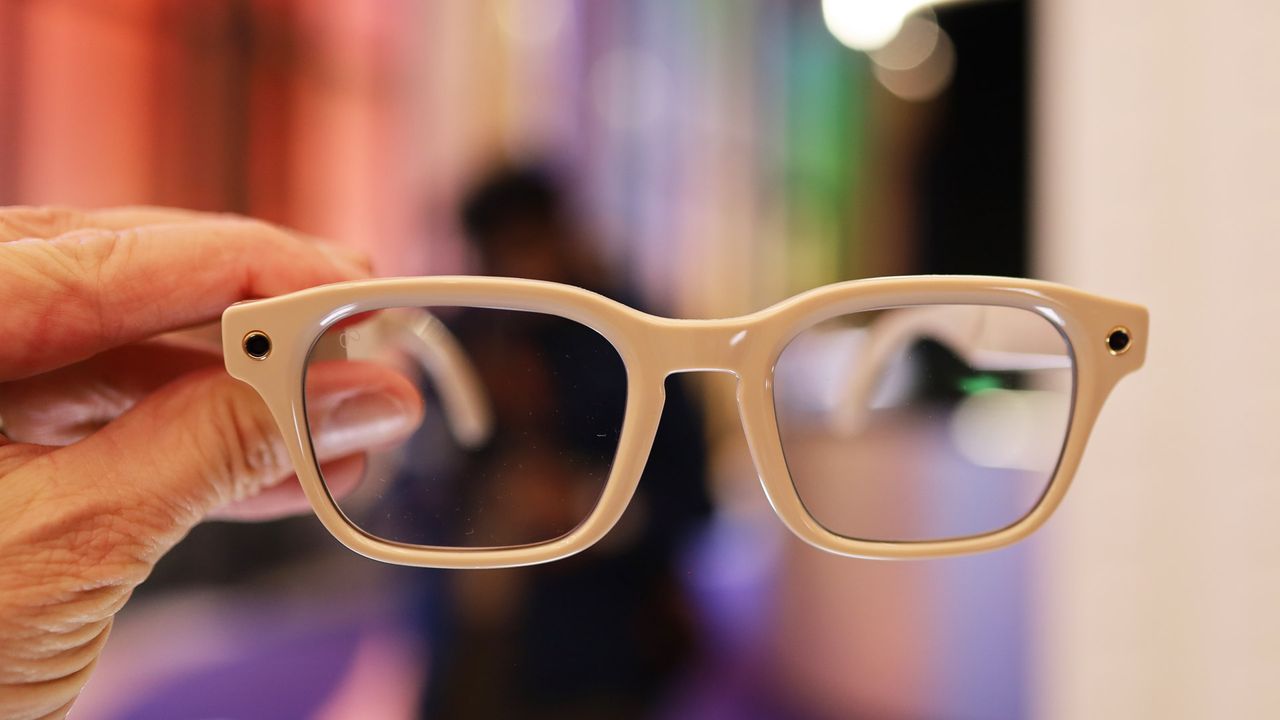
European Union regulators are intensifying pressure on smart glasses, with various countries exploring bans and restrictions on the wearable technology. While no nation has outright banned smart glasses, some have prohibited their use in specific situations or are investigating stricter measures. Private event organizers have also banned smart glasses at their conferences and gatherings.
The United States generally allows the use of smart glasses, but New York has banned them from courts due to potential intimidation risks. The US Air Force prohibits service members from wearing smart glasses with recording capabilities while in uniform. Additionally, attendees at major hacker conferences like DEF CON 34 have been barred from wearing Meta glasses or similar devices due to concerns over unauthorized recording.
In the United Kingdom, courts advise against using smart glasses with AI capabilities during trials, and companies like Monopoly Events have banned camera glasses at events like Comic-Con following complaints of secret filming. There is also a petition to ban the sale and promotion of smart glasses in the UK.
The European Data Protection Board is drafting a report on smart glasses, while individual member countries such as Germany, the Netherlands, and France are making their own decisions regarding the technology. Germany's data protection authority warns that camera glasses could be banned under existing laws prohibiting hidden recording devices, while the Netherlands' digital rights activists have expressed frustration over the covert recording capabilities of smart glasses. France's privacy regulator has highlighted the privacy risks associated with camera glasses.
South Korea has taken a different approach by restricting the use of smart glasses in exam halls to prevent cheating. In schools worldwide, smart devices are generally banned in exam rooms, but South Korea's explicit ban reflects the importance of its College Scholastic Ability Test. The situation regarding smart glasses remains fluid, with privacy concerns potentially driving further regulations unless hardware changes address these issues.
Written by urgent.news from TechRadar's reporting — not their text. Machine-written — may contain errors; check the original before relying on it.