Climate change is fueling wildfire risk — and anxiety
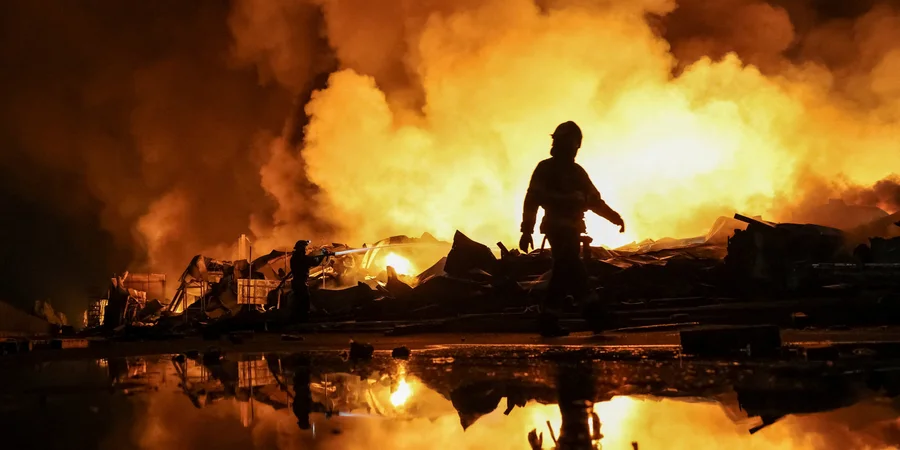
SEATTLE — Wildfire smoke blanketing this coastal city and much of the West is bringing an ominous reminder that the reach of destructive fires is growing. Why it matters: Climate scientists study how global warming increases the odds of wildfire. People living through it are confronting a more immediate question: where is truly safe anymore? The big picture: Wildfires intensified by climate…
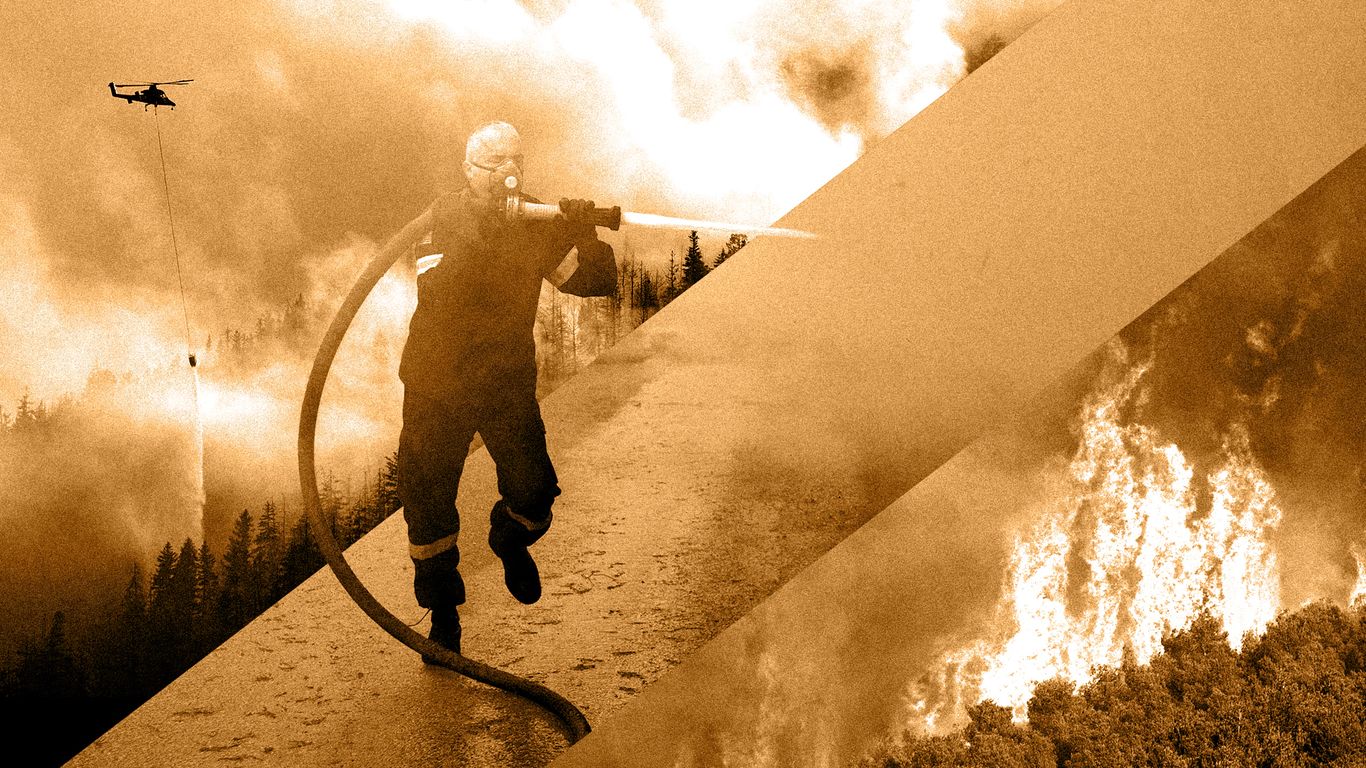
Wildfire smoke enveloping the coastal city of Seattle and much of the West serves as a stark reminder of the expanding threat of destructive wildfires. The pressing question for residents is: where can they truly find safety amidst this growing risk? The larger picture reveals that climate change is intensifying these wildfires, rendering them an unrelenting spotlight that traipses across the globe with no clear end in sight.
At the forefront of this crisis is Spokane, Washington, where a devastating wildfire has ravaged neighborhoods and continues to burn uncontrollably. Similar infernos are ravaging regions in Bordeaux, France, outside Madrid, and British Columbia. Climate scientist Daniel Swain observed during a virtual presentation that a single year in the past decade has not gone without at least one catastrophic fire event, with Spokane now joining the list of communities that have experienced such destruction, including Fort McMurray in Alberta (2016), Santa Rosa in California (2017), Paradise in California (2018), Australia's "Black Summer" (2019-20), Oregon's Labor Day fires that nearly reached Portland (2020), the Denver suburbs of Louisville and Superior (Colorado) (2021), and Lahaina in Hawaii (2023), among others.
This grim list underscores the devastating reality that climate change, while not directly causing wildfires, is heightening their intensity and scale by contributing to hotter temperatures and drier vegetation, which fuel larger and more intense fires. Simultaneously, the expansion of human populations into fire-prone landscapes has increased the exposure of people to these hazards. The intersection of these latent trends with unpredictable factors such as high winds, lightning, or even arson results in devastating fires.
Firas Saleh, who directs wildfire models at Moody's, clarifies that while wildfires may appear random on a map, they are rarely so when considering the risk perspective. Hotter temperatures, extended fire seasons, more burnable vegetation, and growing development in fire-prone landscapes converge in areas like Spokane, France, and Hawaii, amplifying the risk of destructive fires.
The challenge for those affected lies not in understanding the scientific link between climate change and wildfires, but rather in translating this knowledge into actionable steps. Susan Prichard, a forest ecologist at the University of Washington, notes that despite the scientific community's efforts to raise awareness, people often struggle to translate this information into immediate action. Her own experience of evacuating her small town due to wildfires five times in the last two decades illustrates this disconnect.
In the immediate aftermath of a wildfire, coping mechanisms often take precedence over long-term concerns. My parents, for instance, initially focused on the crisis at hand – evacuation plans and ensuring their cats were safe – rather than considering the broader context of climate change. This coping mechanism, while understandable, fails to address the underlying issue.
However, as the acute crisis subsides, experts like Claire Rapp, a Colorado State University scientist specializing in behavior science and wildfires, advise developing an evacuation plan and enhancing household preparedness. Rapp emphasizes that while climate change increases the overall risk of wildfires, recognizing this connection is crucial for effective long-term planning.
The broader picture reveals a parallel between the immediate adaptation efforts of communities affected by wildfires and the long-term mitigation efforts aimed at reducing greenhouse gas emissions. While the former is crucial for survival in the short term, the latter holds the key to preventing future disasters. As climate scientist Prichard poignantly states, "It's just early August," and the fight against wildfires is far from over.
Written by urgent.news from Axios's reporting — not their text. Machine-written — may contain errors; check the original before relying on it.