Bengaluru company builds tech to keep ageing spacecraft alive
A Bengaluru-based startup is revolutionising space operations with its jetpack satellites designed to dock with aging spacecraft, effectively taking over propulsion responsibilities. Aule Space has successfully validated its crucial technology at an ISRO facility, setting the stage for future demonstrations. With plans for a groundbreaking private satellite docking trial next year, this…
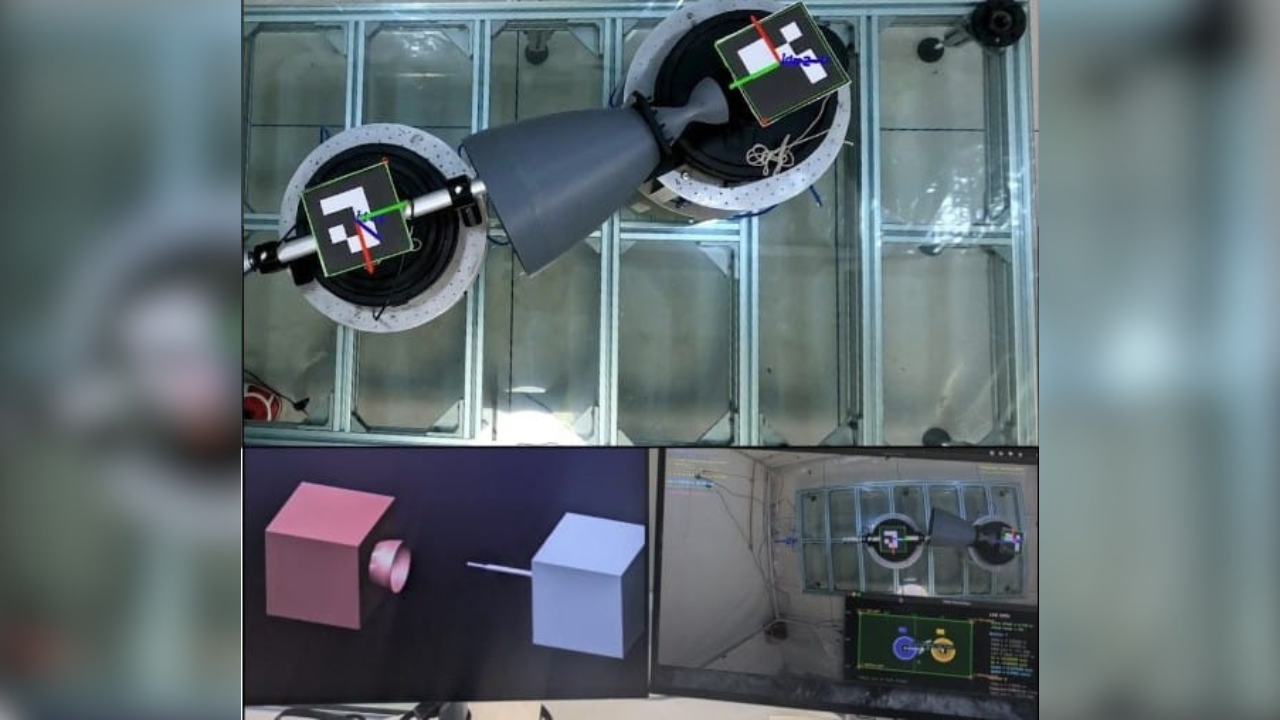
Bengaluru-based startup Aule Space is developing innovative technology to extend the lifespan of aging satellites without the need for fuel refueling. The company is designing smaller "jetpack" satellites that can dock with existing spacecraft and take over their propulsion duties, keeping them functional for years longer. This solution could potentially salvage billion-dollar assets that would otherwise be retired due to fuel exhaustion.
Aule Space recently validated a key component of its technology at Isro's Rendezvous Simulation Laboratory, where they performed the first non-government test for such capabilities. Their unique approach relies on computer vision using a single onboard camera and artificial intelligence for docking, as opposed to traditional systems that employ multiple sensors.
The startup aims to target geostationary communication satellites, which can cost over $300 million to build and generate substantial annual revenues. Demonstrating the feasibility of their technology, Aule plans to launch two autonomous satellites that will dock in low-Earth orbit next year, potentially setting the world record for private non-cooperative docking using camera-only navigation.
Written by urgent.news from Times of India's reporting — not their text. Machine-written — may contain errors; check the original before relying on it.
Also reported by 1 other outlet
- 'Power Banks' for satellites? Bengaluru Company builds tech to keep ageing spacecraft alive timesofindia.indiatimes.com