Why were there no tiny dinosaurs? You might blame the mammals
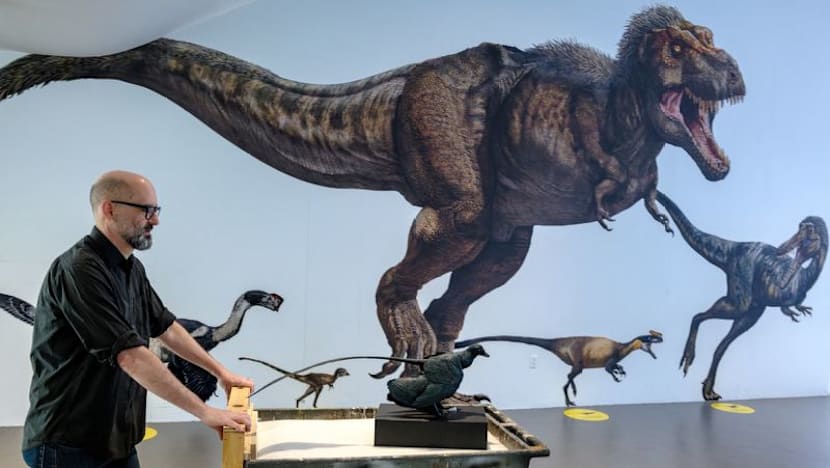
Tiny dinosaurs never existed, according to scientists. Using mathematical models, researchers discovered that factors like energy consumption and physiology can explain why mammals, birds, turtles, and other creatures are small. However, these factors don't account for the absence of truly tiny dinosaurs, aside from their avian descendants.
Early mammals, mostly shrew-sized creatures, filled ecological niches for small animals, preventing dinosaurs from evolving tiny body sizes adapted to such environments. Additionally, dinosaurs likely outcompeted early mammals, keeping them from growing larger. Only after the asteroid strike around 66 million years ago did mammals grow larger and fill dinosaur-dominated ecological niches.
The smallest dinosaurs, including Microraptor, Fruitadens, and Anchiornis, were still much larger than today's smallest bird, the bee hummingbird, or the smallest mammal, the Etruscan shrew. The researchers believe that the abundance of niches available to small-bodied species and the extinction of tiny dinosaurs due to the asteroid impact are the primary reasons for their nonexistence.
Written by urgent.news from Channel News Asia's reporting — not their text. Machine-written — may contain errors; check the original before relying on it.