A 2,500-Year-Old Etruscan Well Began With Bronze Offerings and Ended With Two Human Skeletons
Learn how two bronze statuettes, a bronze plate, and two adult skeletons found in a ritual well in Italy reveal water’s role in founding an Etruscan city.
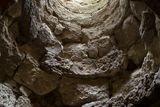
An ancient Etruscan well, steeped in history and religious significance, has yielded remarkable artifacts and human remains after being excavated in Marzabotto, Italy. Archaeologists from the University of Bologna spent 14 extra days digging during their 39th campaign at the ancient city of Kainua, unearthing two bronze statuettes, a bronze plate, and the skeletons of two adults. The well stood in a district dedicated to temples and cults, fitting perfectly into the rich Etruscan religious framework of the area.
The discovery sheds new light on Etruscan foundation rites and religiosity, offering valuable insights into the city's beginnings and ultimate closure. The bronzes were placed during the city's founding, while the skeletons likely represent a ritual that marked the well's closure. Although the university does not provide details on the adults' fate or cause of death, their presence offers clues about the well's closure.
Water played a crucial role in ancient Kainua, with the city situated near two monumental temples dedicated to Tinia and Uni, akin to Jupiter and Juno in Roman religion. The surrounding area also saw worship of Vei, an Etruscan goddess associated with agriculture and fertility. The well's establishment and continued use as a water source connected daily life and crops to the nearby deities.
The extra time granted by a €140,000 grant from Italy's Directorate General of Museums ensured the discovery's completion. The artifacts will be studied and conserved, potentially displayed at the National Etruscan Museum of Marzabotto, which opened its doors in June 2026. The museum serves as both a repository for active excavations and a continually evolving record of the excavation, providing a dynamic and informative experience for visitors.
Written by urgent.news from Discover Magazine's reporting — not their text. Machine-written — may contain errors; check the original before relying on it.