The mathematics of balloon animals
Feedback is delighted to be pointed towards an old but still vital piece of research that presents “a general mathematical and algorithmic theory for balloon-twisting structures”
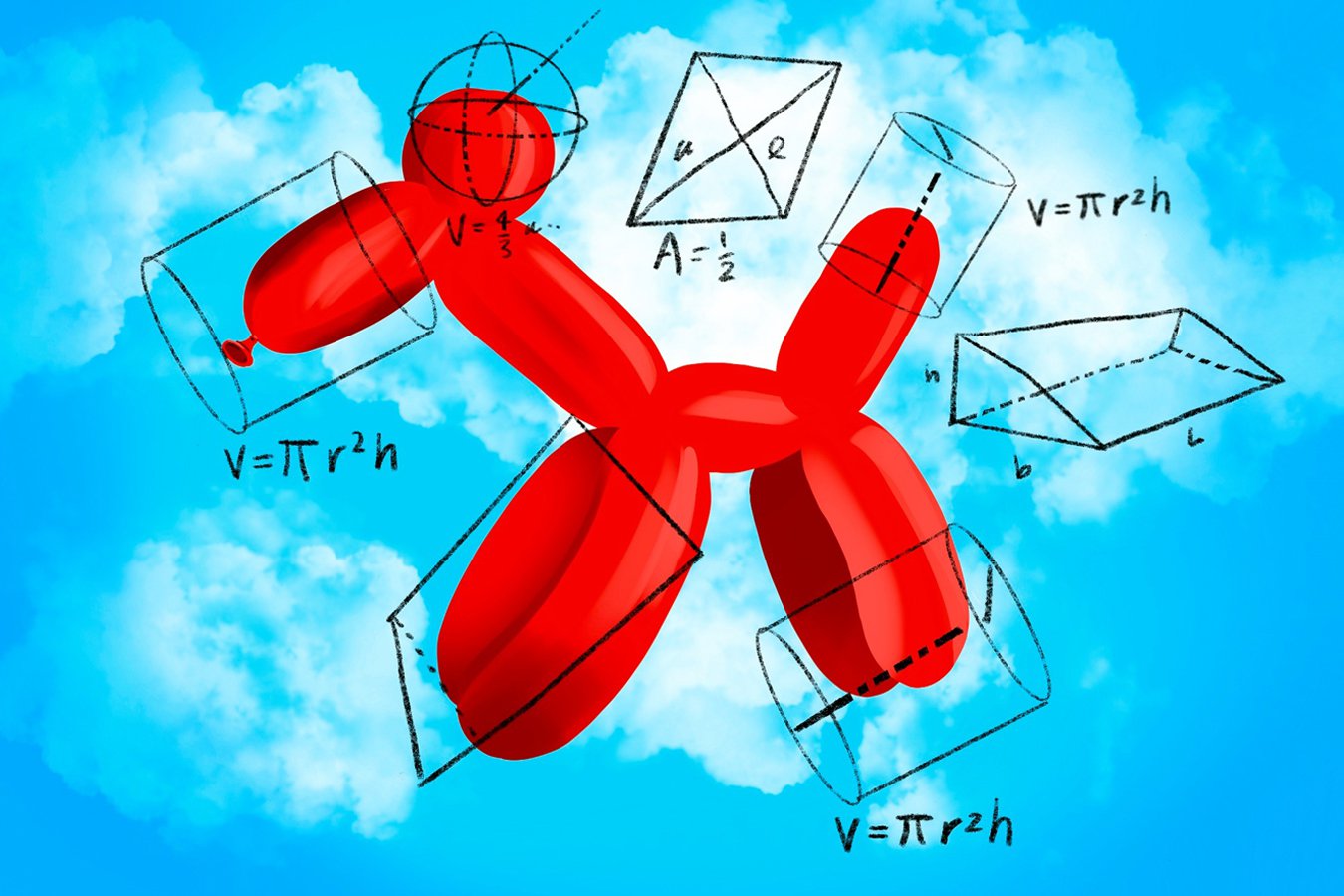
The article discusses the mathematics behind creating balloon animals. In 2008, Erik Demaine, Martin Demaine, and Vi Hart presented a theoretical study on balloon-twisting structures at the 20th Canadian Conference on Computational Geometry. The researchers developed a mathematical framework to determine the number of balloons required to create specific shapes, such as a dog (one balloon) or a complex polyhedron like a dodecahedron (10 balloons).
The authors refer to these balloons as "Platonic balloons" and use the term "bloon" for a mathematical entity equivalent to a balloon. Hart later became a science popularizer on YouTube, while Martin and Erik are father-and-son researchers and artists fascinated by the mathematics of folding.
Written by urgent.news from New Scientist's reporting — not their text. Machine-written — may contain errors; check the original before relying on it.