Sunbird is back, bringing iMessage to Android (again)
The relaunched app brings iMessage to Android once again, and the team is making some lofty security claims.
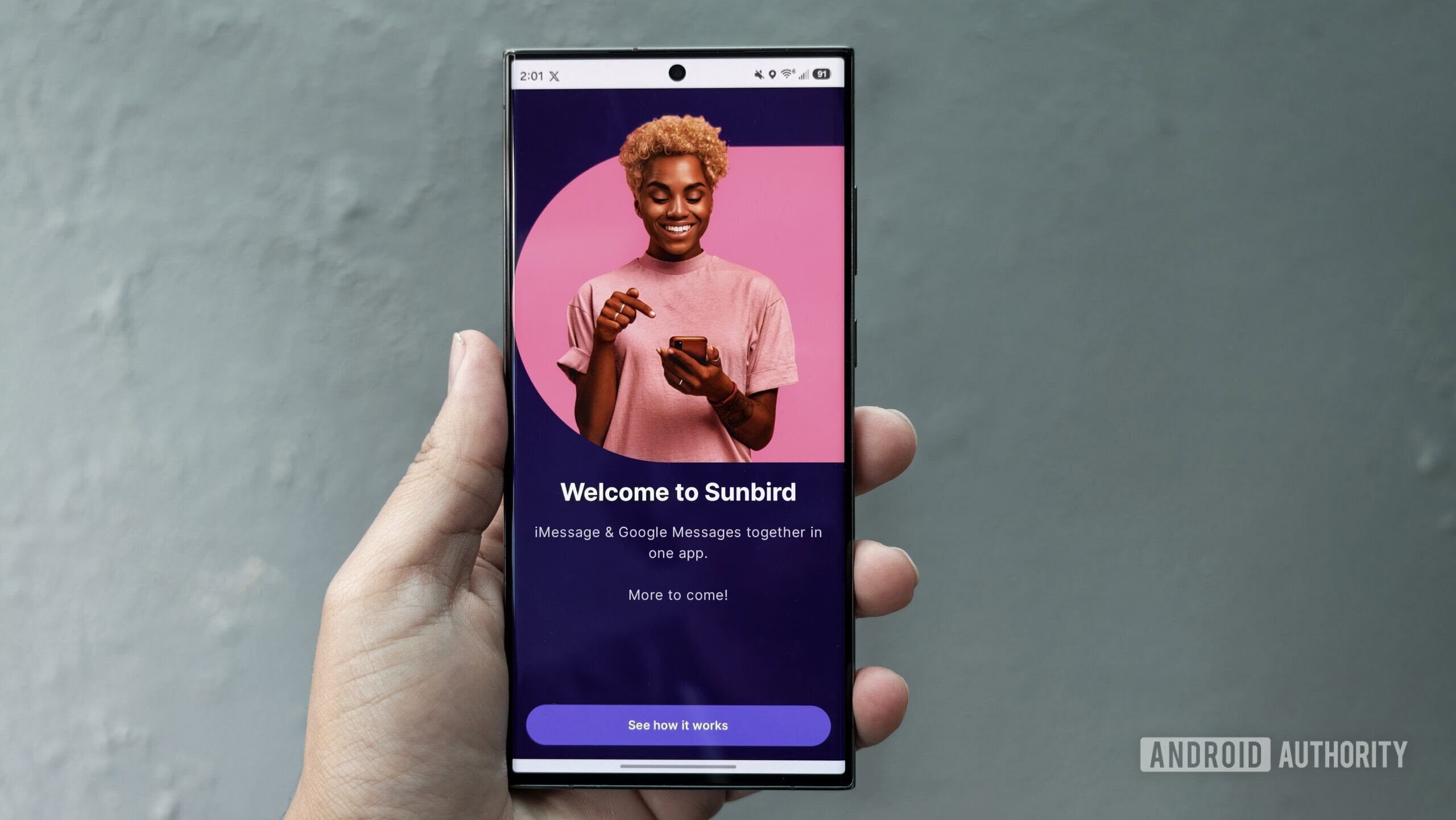
The Sunbird messaging app, once a pioneer in enabling Android users to converse through iMessage with iPhone owners, has returned to the Google Play Store following a brief hiatus. Launched in 2022, the app was initially pulled from the store due to security concerns. Now, the Sunbird team has announced its return, this time available for a two-week free trial, with a monthly subscription of $2.99 or an annual fee of $24.99.
The relaunch brings back the original functionality that allowed Android users to engage in iMessage conversations with iPhone users, a feature that had initially attracted significant attention and usage. Messages exchanged via Sunbird will display in the distinctively blue bubble style, a hallmark of Apple's iMessage service, as opposed to the green bubbles traditionally associated with Android and other non-Apple messaging platforms.
Written by urgent.news from Android Authority's reporting — not their text. Machine-written — may contain errors; check the original before relying on it.
Also reported by 4 other outlets
- Unsafe iMessage for Android app Sunbird just will not die appleinsider.com
- Sunbird launches its iMessage for Android app, expecting you to trust it in the name of blue bubbles 9to5google.com
- Sunbird Brings the iMessage Experience to Android Phones cnet.com
- Sunbird's iMessage app for Android is back after a major privacy snafu engadget.com