SpaceX Achieves Its First Moon Landing by Accidentally Crashing Into It at 5,400 Miles Per Hour, Causing Huge Explosion and 60-Foot Crater
To the Moon! The post SpaceX Achieves Its First Moon Landing by Accidentally Crashing Into It at 5,400 Miles Per Hour, Causing Huge Explosion and 60-Foot Crater appeared first on Futurism .
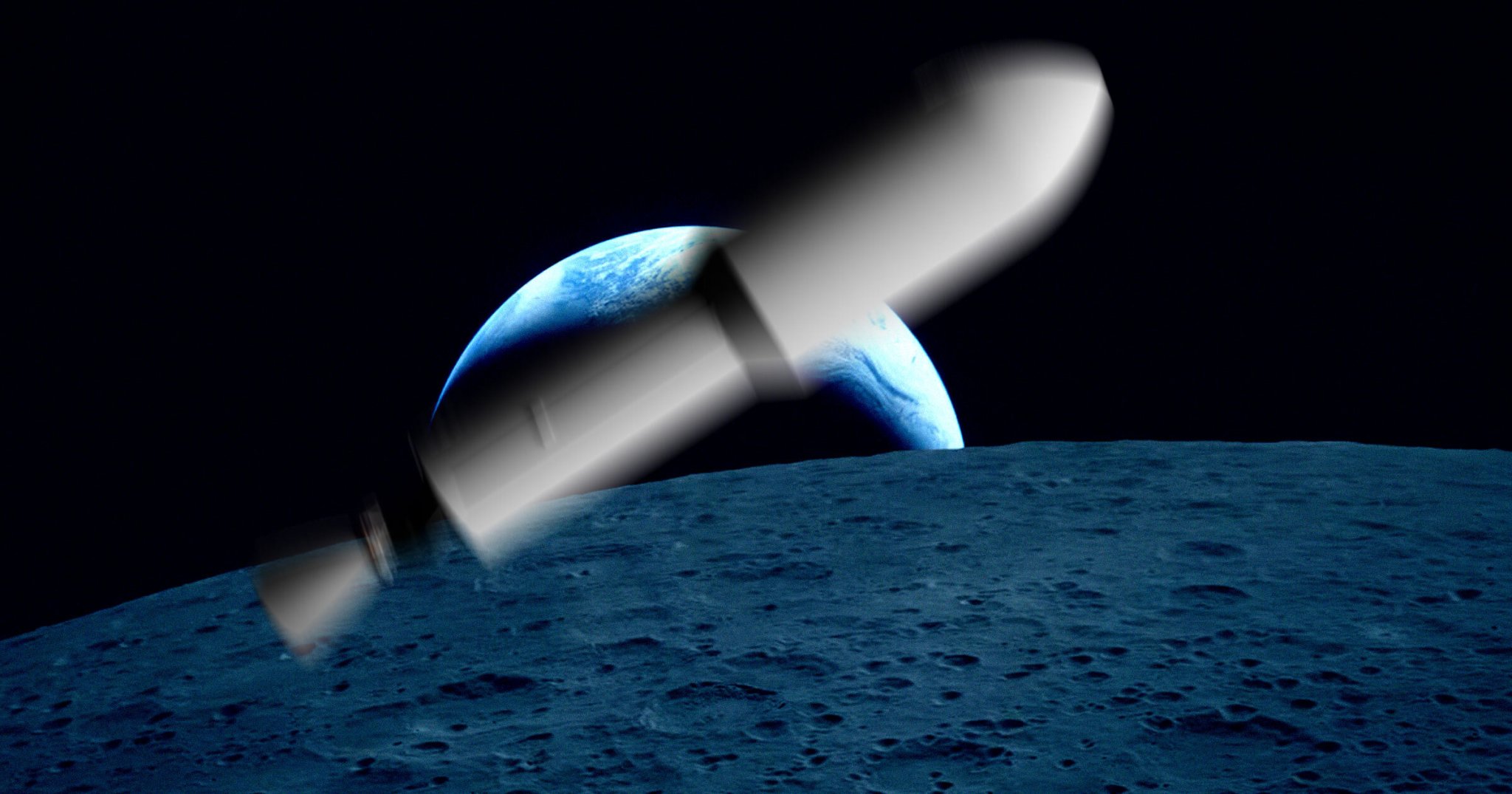
SpaceX has made history by achieving the first Moon landing, albeit not through a traditional touchdown. Instead, a discarded upper stage of a Falcon 9 rocket crashed into the lunar surface on Wednesday, triggering an explosion and forming a significant crater. Astronomers observed the rocket's path and predicted it would strike the Moon at a staggering 5,400 miles per hour.
NASA estimated the impact would form a crater measuring between 60 and 100 feet in width and depth. Despite no SpaceX craft having successfully reached lunar orbit or landed on the Moon, the discarded Falcon 9 part had been orbiting space for over a year after being discarded during a mission in January 2025. Its re-entry into lunar orbit was confirmed in late April, leading to the impact.
While the explosion may not visually impress from Earth, it could offer insights into space debris management and low-gravity material behavior. Earth-bound scientists will study this new crater, acknowledging its minor scientific value and the destructive yet everyday nature of meteoroid impacts on the Moon's surface.
Written by urgent.news from Futurism's reporting — not their text. Machine-written — may contain errors; check the original before relying on it.