Pakistan restricts international media reporting
Anyone working for foreign media, including Pakistanis, will now need permission to report from anywhere outside three major cities.
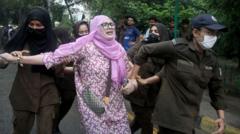
Pakistani authorities have recently introduced new rules that restrict international media coverage in the country, receiving widespread condemnation from journalism organizations. Foreign journalists and Pakistani citizens working for foreign media outlets are now required to obtain permission before reporting from areas outside the capital cities of Islamabad, Karachi, and Lahore.
This move has left foreign reporters at the mercy of authorities for reporting in the majority of the nation, which ranks 153rd out of 180 in the World Press Freedom Index. Journalist Mustafa Nawaz Khokhar described the guidelines as "choking international media" in an increasingly restricted landscape. Journalists are often subjected to more scrutiny than their domestic counterparts, as the public relies on international media for unbiased reporting.
The government claims that the new rules aim to establish an administrative mechanism for verifying media, facilitating access, and coordinating reporting requirements, rather than restricting freedom of the press. However, critics argue that these guidelines create more opportunities for misinformation and fake news. The Foreign Media Facilitation Guidelines, 2026, do not specify the duration for obtaining the necessary permission, known as a No Objection Certificate (NOC), which can take months or never be granted, hindering the ability to report breaking news stories.
This restriction often forces international media outlets to rely on Pakistani nationals, who can travel more easily or are permanently based in cities like Peshawar or Quetta. Under the new guidelines, contributors living outside the specified cities would need NOC permissions to cover stories, further undermining freedom of movement and press.
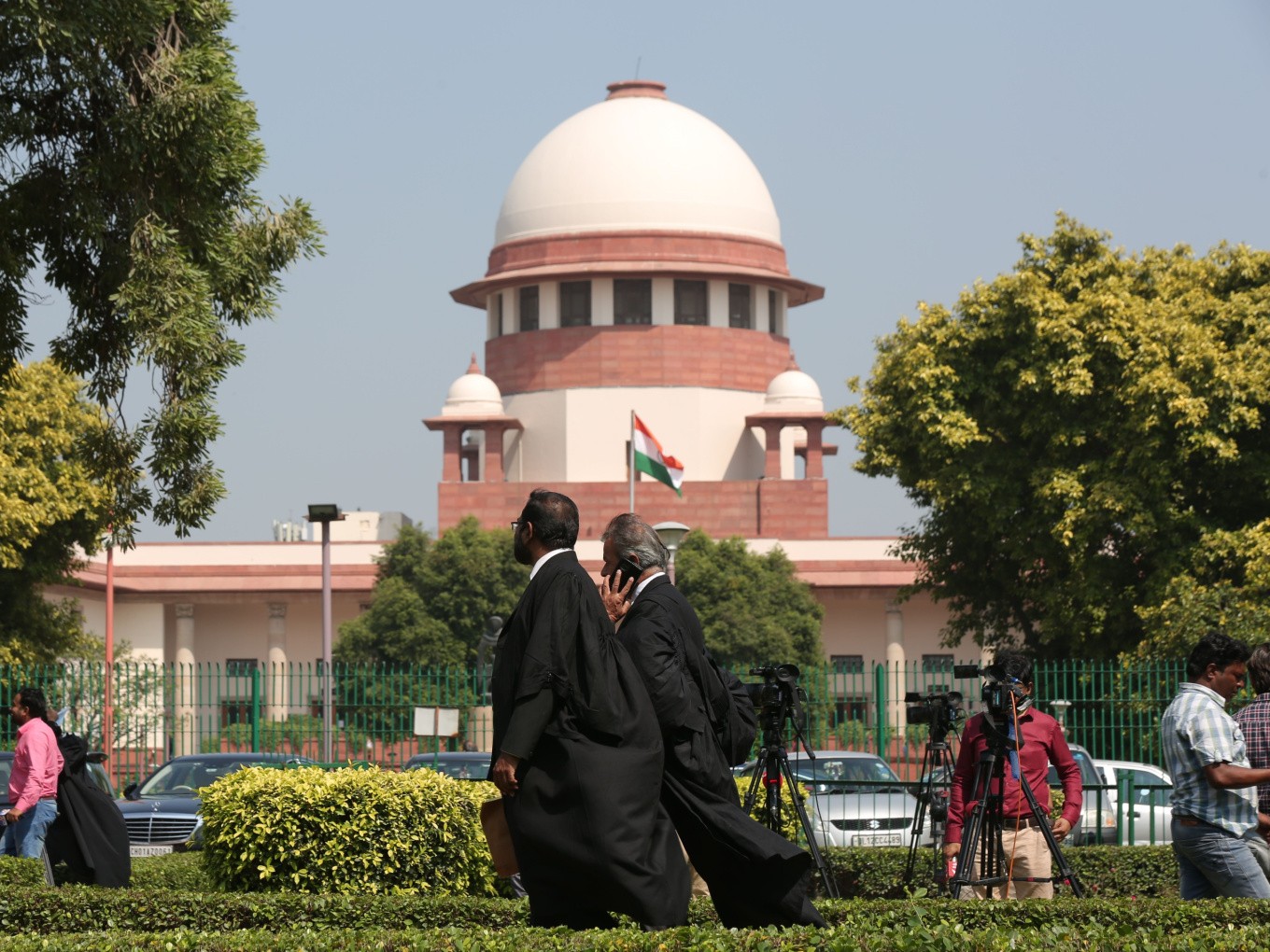
The government clarifies that the restrictions are not a blanket ban on individual movement, but acknowledges that any journalist violating ideology, sovereignty, security, or public order may face consequences. However, the lack of a statutory framework for the guidelines leaves room for interpretation. Salhuddin Ahmed, a Supreme Court lawyer, argues that the guidelines are merely an executive order without legal backing.
The government maintains that the rules are an internal matter, governing the relationship between the Information Ministry's External Publicity wing and foreign media. International journalists and the president of Pakistan's Federal Union of Journalists are attempting to arrange a meeting with the information minister to address their concerns.
Written by urgent.news from BBC News's reporting — not their text. Machine-written — may contain errors; check the original before relying on it.
This story
This is one outlet's version. Read the fullest account.