Digital Arrest Scams: SC Directs RBI To Create Bank SOPs, Pushes For Victim Compensation Framework
Amid growing instances of digital scams, the Supreme Court (SC) has directed the Reserve Bank of India (RBI) to strengthen…
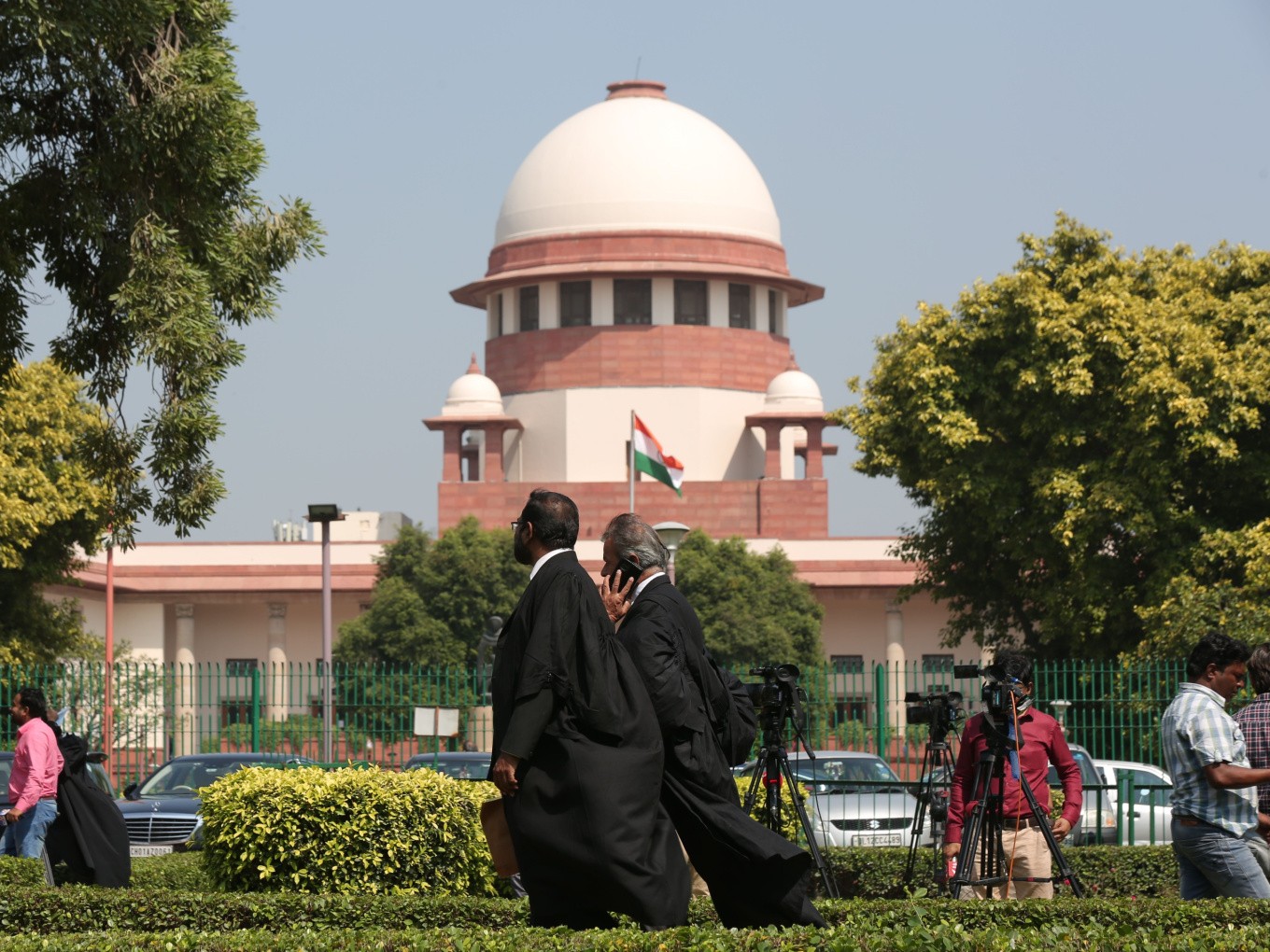
The Supreme Court recently directed the Reserve Bank of India (RBI) to develop a standard operating procedure (SOP) to tackle digital arrest scams within a four-week timeframe. This SOP will encompass grievance redressal systems, methods for returning recovered funds, and enhanced public awareness initiatives. The court's decision came about while hearing a suo motu case regarding digital arrest scams.
Additionally, the court mandated all states and union territories to establish State Cyber Crime Coordination Centres within a month and urged them to implement the e-Zero FIR mechanism in collaboration with the Indian Cyber Crime Coordination Centre (I4C). The objective is to expedite the reporting and investigation of cyber fraud cases.
Furthermore, an inter-departmental committee has been formed to examine the reduction of financial thresholds for CBI investigations into cyber fraud cases, including the possibility of combining multiple fraud cases from the same organized network for investigation. The court acknowledged advancements made by agencies in combating digital frauds, with ₹18.05 crore being recovered in 36,290 cases with the assistance of 57 banks and state authorities.
The recent directives from the court arrive amid an increasing surge in online extortion scams, where fraudsters typically engage in conversations with unsuspecting victims, identify vulnerabilities they can exploit, and subsequently demand payment to avoid publishing defamatory content online. Recently, the Centre requested WhatsApp to introduce stronger safeguards against digital arrest scams, and the home ministry's inter-departmental committee has asked Meta-owned platform to block device IDs associated with scam activities to prevent repeat offenses.
In response, WhatsApp agreed to implement additional security measures, such as improved caller information, warnings for suspicious accounts, and enhanced detection of impersonation attempts. The committee also instructed WhatsApp to bolster systems to identify malicious files, misuse of government logos, and AI-generated content employed in scams.
The Supreme Court commenced its examination of the issue the previous year when a significant rise in such frauds was observed. Earlier, the court had noted that over ₹54,000 crore had allegedly been lost through these scams and likened them to "robbery or dacoity."
Written by urgent.news from Inc42's reporting — not their text. Machine-written — may contain errors; check the original before relying on it.