How Trump and Iran unexpectedly fuelled an electric car boom
Over the past year, electric car sales have tripled, as anxiety about fuel shortages and rising petrol prices continues.
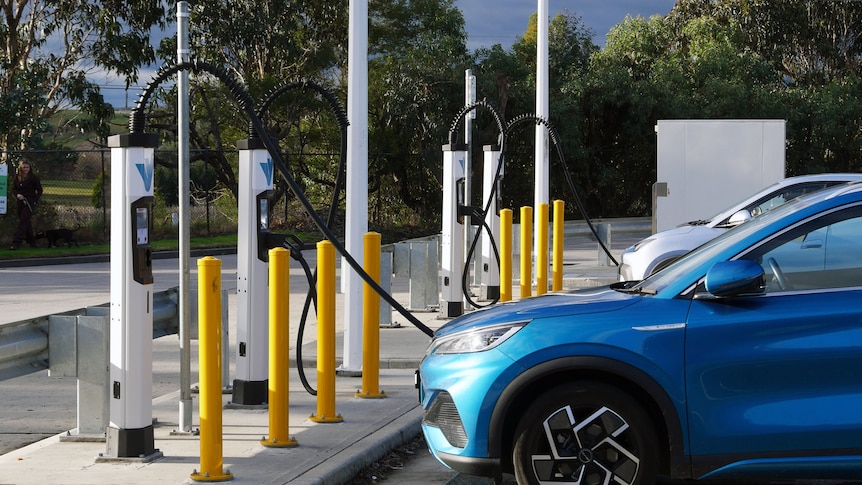
Australian vehicle sales have seen a significant shift towards electric cars, with EVs now accounting for one in five new car purchases for the third month in a row, according to recent July data. Although the share of battery electric vehicles (BEVs) has slightly decreased from the June record of 23.3%, it still tripled compared to the previous year.
The surge in EV sales is attributed to the ongoing conflict in Iran and the resulting fuel crisis, which led to a rise in petrol prices and increased consumer interest in alternative energy sources. Rebecca Huntley, a social researcher, attributed the increased support for EVs to the uncertainty surrounding traditional combustion engines.
Toyota remains the top-selling car brand, while BYD, a Chinese EV manufacturer, is quickly closing the gap, selling over 60,000 vehicles in July. Andrea Pellegrini, a lecturer and researcher at the University of Sydney, noted that the market is becoming more mature and that the availability of charging infrastructure will be crucial to maintaining consumer confidence.
Despite past concerns about range and charging limitations, people are now finding EVs to be a more reliable and cost-effective option, especially with the rise of solar power in homes. However, the transition is not without challenges, particularly for renters and those living in apartments who may struggle to install private charging stations at their properties.
Dr. Huntley stressed the importance of addressing the needs of this particular market segment to ensure an equitable distribution of the benefits of the EV revolution.
Written by urgent.news from ABC News AU's reporting — not their text. Machine-written — may contain errors; check the original before relying on it.