Farmworkers across 22 states will get free access to electrolytes to combat dangerous heat stress
On certain farms across 22 states, workers who harvest everything from tomatoes to tulips to blueberries will now have mandatory access to electrolytes, which can help them stay safe in dangerous extreme heat. It’s the latest rule from the Fair Food Program , a partnership between growers, farmworkers, and food retailers (including Walmart, McDonald’s, Whole Foods Market, and Trader Joe’s) to…
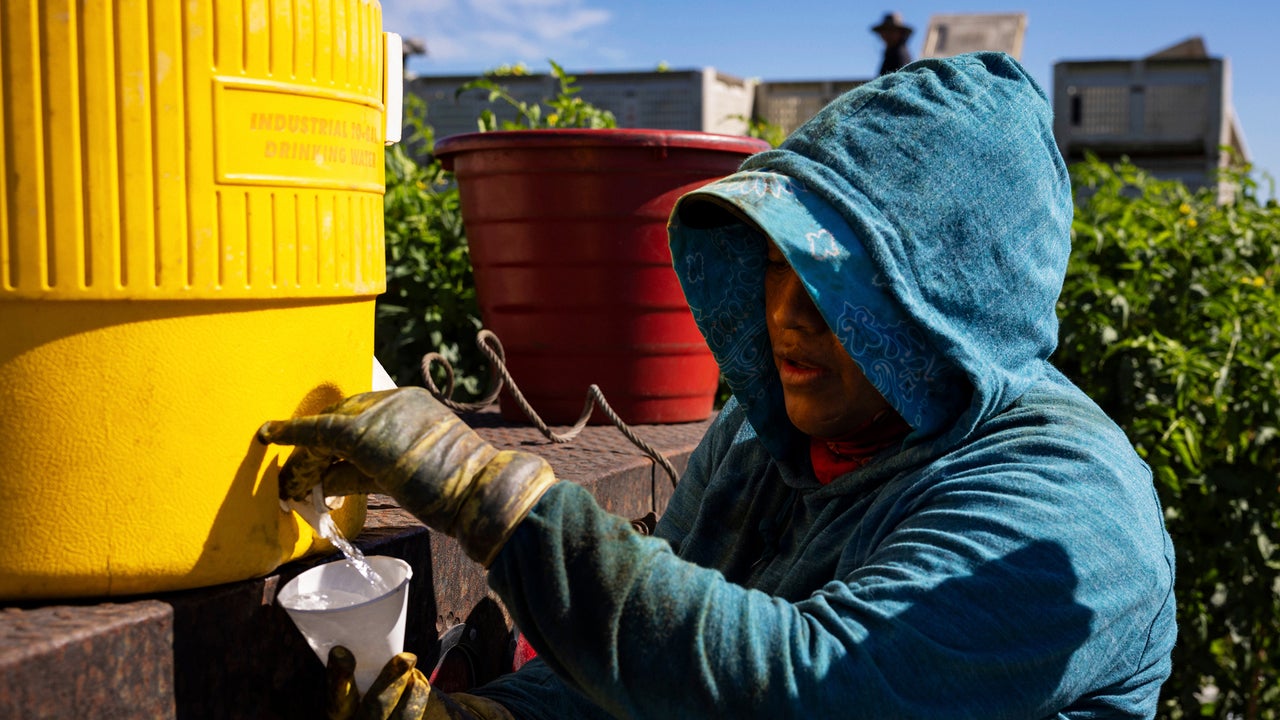
The Fair Food Program, a collaboration between farmworkers, growers, and major food retailers such as Walmart, McDonald's, Whole Foods Market, and Trader Joe's, has implemented a new rule to provide free electrolytes to farmworkers in 22 states. This is a crucial step in combating extreme heat and preventing heat-related illnesses, as farmworkers are 35 times more likely to die from heat-related stress than workers in any other industry.
Heat waves pose a significant threat to these workers, who often toil from dawn until dusk in physically demanding conditions with no federal standards to protect them from heat. While the program already mandates mandatory breaks, guaranteed shade, water, and training on heat stress symptoms, the new requirement takes effect from August 1, ensuring that participating growers provide electrolyte beverages or supplements to workers throughout the year.
Water alone may not be sufficient to rehydrate workers, especially during extreme temperatures, and research highlights the importance of electrolyte replacement in preventing heat-related illnesses and protecting vital organs like the kidneys. Laura Safer Espinoza, a senior advisor to the Fair Food Program, emphasizes that electrolytes help preserve kidney function and mitigate heat stress, thus preventing dehydration and heat stroke.
The Fair Food Program, launched in 2011 by the Coalition of Immokalee Workers, certifies farms that meet its worker safety standards and prioritizes such farms for purchases from retailers. Growers who fail to meet the safety standards face penalties, including probation and suspension, making this approach more effective than voluntary corporate initiatives.
The addition of electrolyte requirements has been well-received by growers, who view it as an investment in their workforce. As climate change continues to fuel extreme heat events, the Fair Food Program's model serves as a valuable example for other industries grappling with heat-stress prevention.
Written by urgent.news from Fast Company's reporting — not their text. Machine-written — may contain errors; check the original before relying on it.