DHL says customers continue to diversify production amid geopolitical uncertainty
The logistics giant's CEO Tobias Meyer tells CNA that Chinese manufacturers are broadening their production base to hedge against geopolitical volatility, while new European import rules are another area of concern.
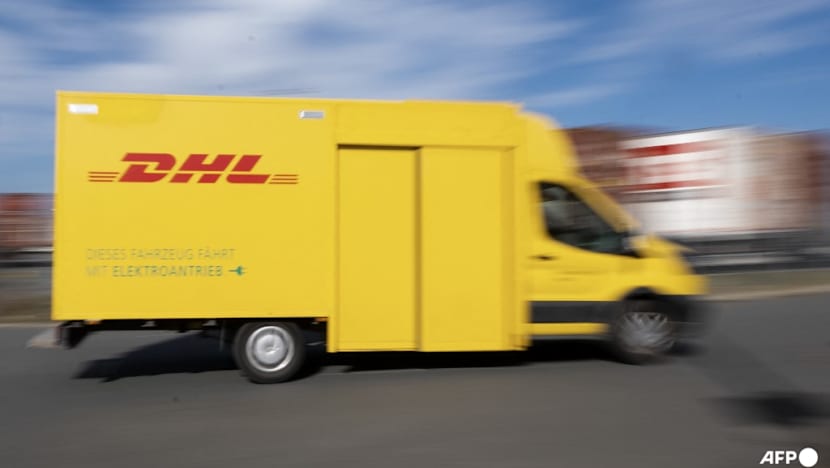
DHL's CEO Tobias Meyer has highlighted that customers for the German logistics giant are diversifying their manufacturing operations globally in response to geopolitical risks, according to CNA's Roland Lim. This trend includes Chinese manufacturers expanding their production footprint overseas to hedge against geopolitical volatility, such as tariffs.
In the second quarter, DHL reported a 13% year-on-year increase in revenue to €22.4 billion (US$25.8 billion), driven by higher shipment weight, capacity constraints in the international air freight market, and the pass-through of higher fuel costs. The company raised its full-year EBIT guidance to over €6.5 billion, from the previous estimate of over €6.2 billion.
Meyer noted that the impact of new U.S. tariffs introduced in early 2025 had largely subsided by the second quarter, as the replacement of temporary Section 122 tariffs with Section 301 tariffs had maintained overall levels. However, the company is now closely monitoring changes in the EU's low-value e-commerce import rules, which could impact business in the third quarter.
Additionally, DHL continues to face geopolitical challenges, including the Middle East conflict, which has increased fuel, insurance, and rerouting costs. To manage these costs, the company passes them on to customers and has been able to maintain high utilisation of its global network. Despite these challenges, Meyer remains committed to investing in the Middle East and other strategic sectors, including data centre logistics and healthcare.
Written by urgent.news from Channel News Asia's reporting — not their text. Machine-written — may contain errors; check the original before relying on it.