Episode 179: Life Support Systems: From Space Station to Orion
Astronauts aboard the International Space Station depend on life support systems that provide clean air, drinkable water, and a safe, livable environment. These systems are what make long-duration spaceflight not only possible, but comfortable. Today, some of these space station technologies have been adapted for Artemis – specifically, aboard the Orion capsule. The post Episode 179: Life Support…
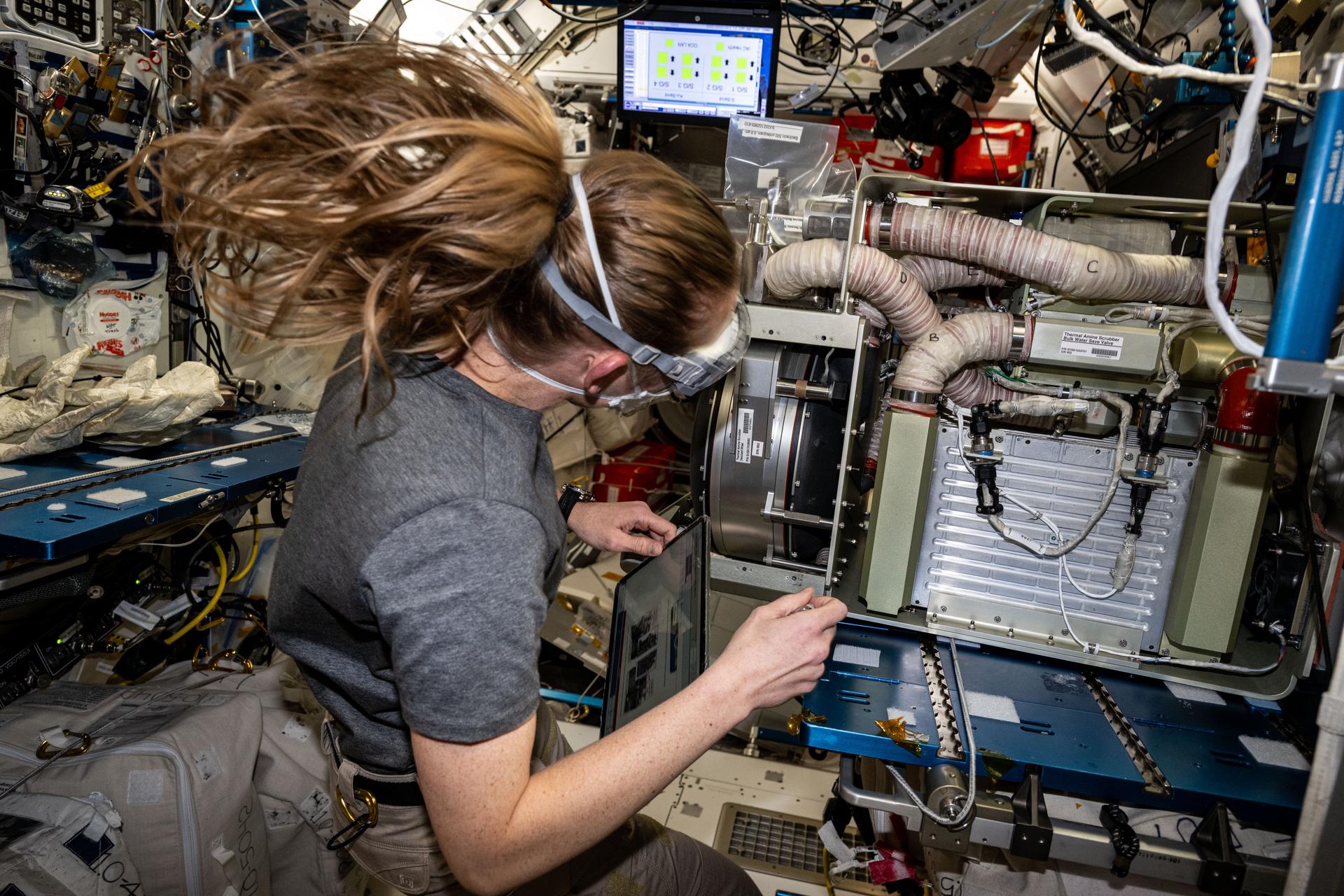
NASA astronaut Nichole Ayers recently worked on a life support device aboard the International Space Station. Known as the Thermal Amine Scrubber, this advanced system removes carbon dioxide from the station's atmosphere and recovers water for oxygen generation. Host Andres Almeida explained that life support systems are critical for long-duration spaceflight, providing clean air and drinkable water.
Today's episode of Small Steps, Giant Leaps features Paul Boehm, Orion Crew Support and Thermal Systems manager at Johnson Space Center, discussing how space station technologies have been adapted for NASA's upcoming Artemis missions. Boehm, who previously served as a flight controller for the International Space Station, highlighted several space station-derived technologies in Orion, including a phase change material experiment and an amine system for carbon dioxide removal.
These systems were tested on the ISS to ensure their effectiveness in the unique environment of deep space. Despite Orion's smaller volume than the space station, the basic design of these life support systems remains similar, with adjustments made based on crew size and metabolic rates. Boehm emphasized the challenge of designing life support systems that cater to varying individual metabolic rates while maintaining efficient operation within the limited volume of Orion.
Written by urgent.news from NASA Science's reporting — not their text. Machine-written — may contain errors; check the original before relying on it.