Dive into an in-depth history of the realities of space exploration
Out of This World by Peter Bond lays out the successes and failures of space exploration. It reminds us of what faces all who venture into the unknown, says Karmela Padavic-Callaghan
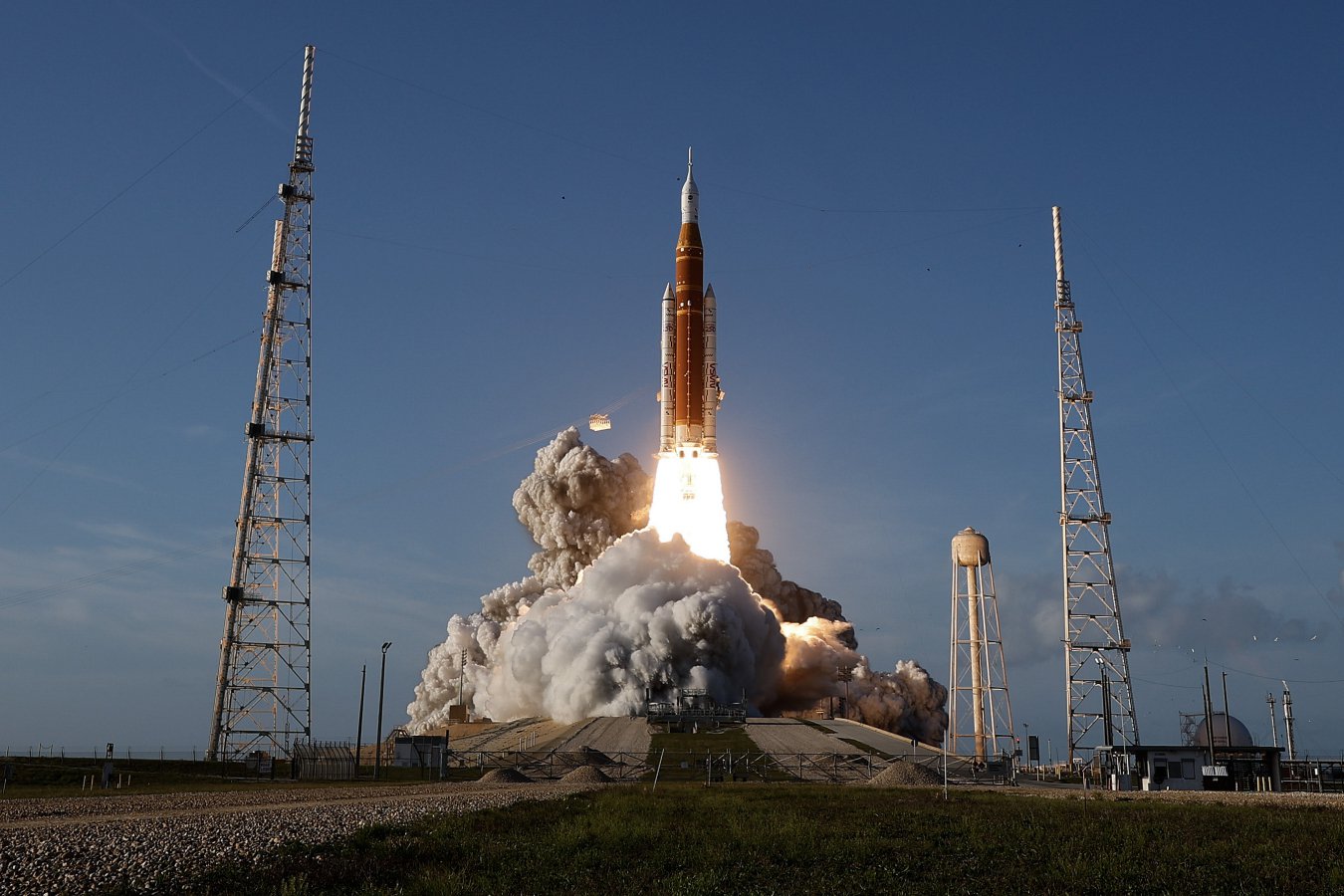
Artemis ll's launch in 2026 marks a significant milestone in space exploration, according to Peter Bond's book "Out of This World." The Soviet Union's launch of Sputnik 1 in 1957 marked the beginning of human space exploration, a journey fraught with challenges, tragedies, and peculiarities. Bond's book delves into the human side of this endeavor, exploring the lives and experiences of astronauts and cosmonauts.
The first chapter, "Learning to Leave Earth," provides a thematic overview of early space flights and the development of rockets and aircraft that enabled space travel. Bond notes that space exploration has often been linked to large nations vying for power. While the book could have benefited from more anecdotes and personal details from the pioneers, Bond covers a vast amount of ground in a concise manner.
Bond discusses the selection and rigorous training of astronauts by different nations' space agencies, such as NASA and the Russian space program. He also highlights the individual experiences of astronauts, drawing from their diaries and interviews. Notably, he shares the story of astronaut Michael Collins, who spent time alone in the Apollo 11 command module as the rest of the crew walked on the moon for the first time.
The book also delves into the personal lives of astronauts, including their struggles with mundane issues like colds. For instance, the crew of Apollo 7 got into a disagreement with mission control over wearing their helmets while dealing with stuffy noses from a cold. Bond also covers the emotional toll of space exploration, recounting lives lost in incidents such as the Challenger disaster in 1986.
While Bond primarily focuses on US and Russian missions, he also includes China's taikonauts, indicating a more international future for space exploration. The penultimate chapter examines lunar missions, highlighting the political tensions and challenges surrounding US efforts to return people to the moon. Bond refrains from discussing debates surrounding the colonization of the moon and Mars for private and national profit.
The book concludes with a solemn recounting of all the lives lost in space, from the Challenger disaster to early Russian cosmonaut fatalities. Bond's writing is straightforward, but his last chapter carries a somber tone, as he honors the lost lives and reflects on the fragility of human existence in the vastness of space. Despite the book's length, Bond manages to pack in a wealth of information about the challenges and peculiarities of space exploration.
Written by urgent.news from New Scientist's reporting — not their text. Machine-written — may contain errors; check the original before relying on it.