Disputes over AI, robotics, trade mount ahead of planned Xi-Trump summit in US
In the months leading up to President Xi Jinping’s planned September visit to Washington for a summit with US President Donald Trump, a series of smaller trade and technology rifts has emerged between the world’s two largest economies. From tensions over Chinese artificial intelligence models and new US restrictions on advanced robotics, to optical modules and an expanded forced labour blacklist,…
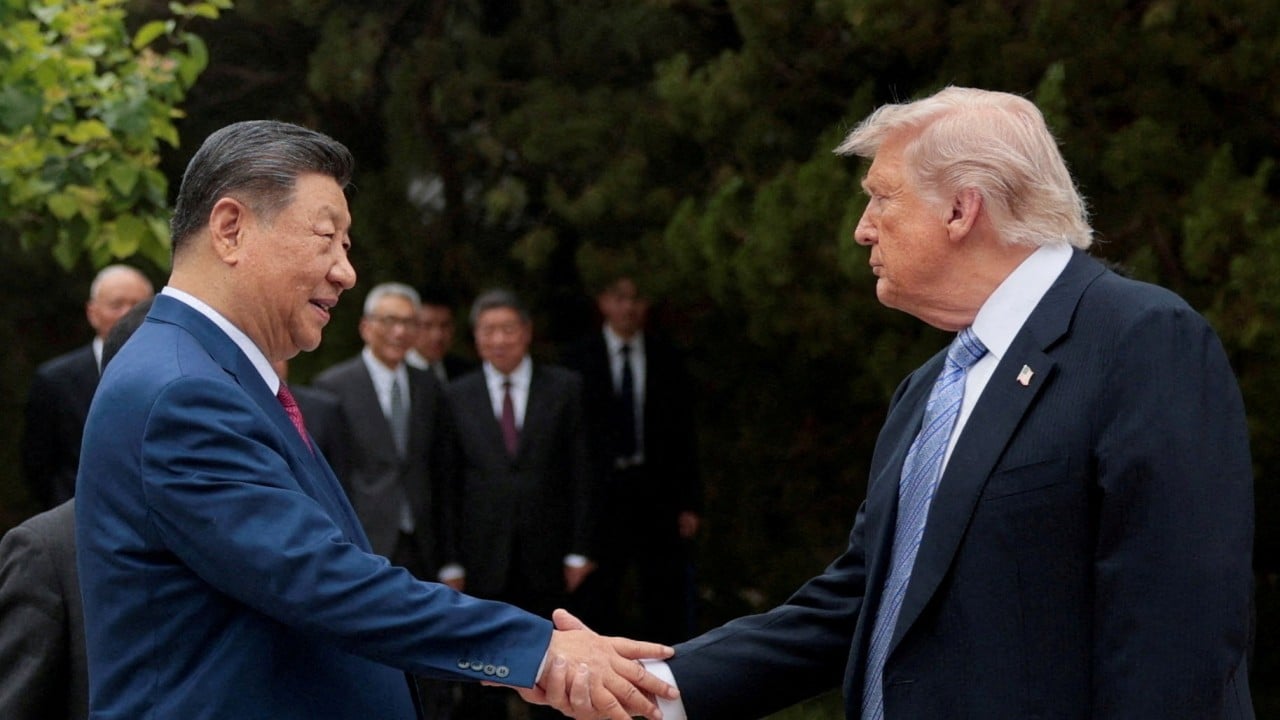
As President Xi Jinping prepares to travel to Washington for a summit with US President Donald Trump, a series of disputes between the world's two largest economies has surfaced. The tensions primarily revolve around artificial intelligence, advanced robotics, and trade restrictions.
Chinese AI models have become a point of contention, with Beijing-based start-up Moonshot AI unveiling Kimi K3, a large language model with 2.8 trillion parameters. Washington accused Moonshot of copying Anthropic’s Claude Fable model through model distillation, a practice deemed a form of intellectual property theft by US Treasury Secretary Scott Bessent, who warned of potential sanctions.
The US Federal Communications Commission (FCC) expanded its Covered List to include advanced robotic devices and connected power inverters, banning their import and sale. Beijing rejected the move, accusing the US of utilizing broad national security concepts to suppress Chinese companies and protectism harming US businesses and consumers.
During a video call on Thursday, Vice-Premier He Lifeng and US Trade Representative Jamieson Greer discussed US-China economic and trade restrictions, with both sides expressing serious concerns. The US Department of Homeland Security added 43 Chinese companies to its entity list under the Uygur Forced Labour Prevention Act, targeting sectors like food, cotton, pharmaceuticals, metals, and lithium production. China dismissed the allegations of forced labor in Xinjiang, calling the move "economic coercion."
Another development involves the FCC's plans to ban imports of new Chinese-made optical transceivers to prevent data theft, malware deployment, and data center disruptions at US data centers. Beijing responded by targeting US firms with strict case-by-case scrutiny of shipments of drones, key components, and related technologies, as well as adding six US entities to China's countermeasures list for assisting the FCC in introducing measures deemed harmful to China's sovereignty.
Written by urgent.news from SCMP Tech's reporting — not their text. Machine-written — may contain errors; check the original before relying on it.