China’s retaliation against US shows depth of its trade war strategy, analysts say
China’s latest export controls and sanctions against American companies in response to recent US measures underscore Beijing’s expanding economic toolkit and its growing willingness to deploy it, according to analysts. “The multiple actions that China undertook underscore the breadth and depth of China’s retaliatory toolbox,” said Wendy Cutler, the senior vice-president at the Asia Society Policy…
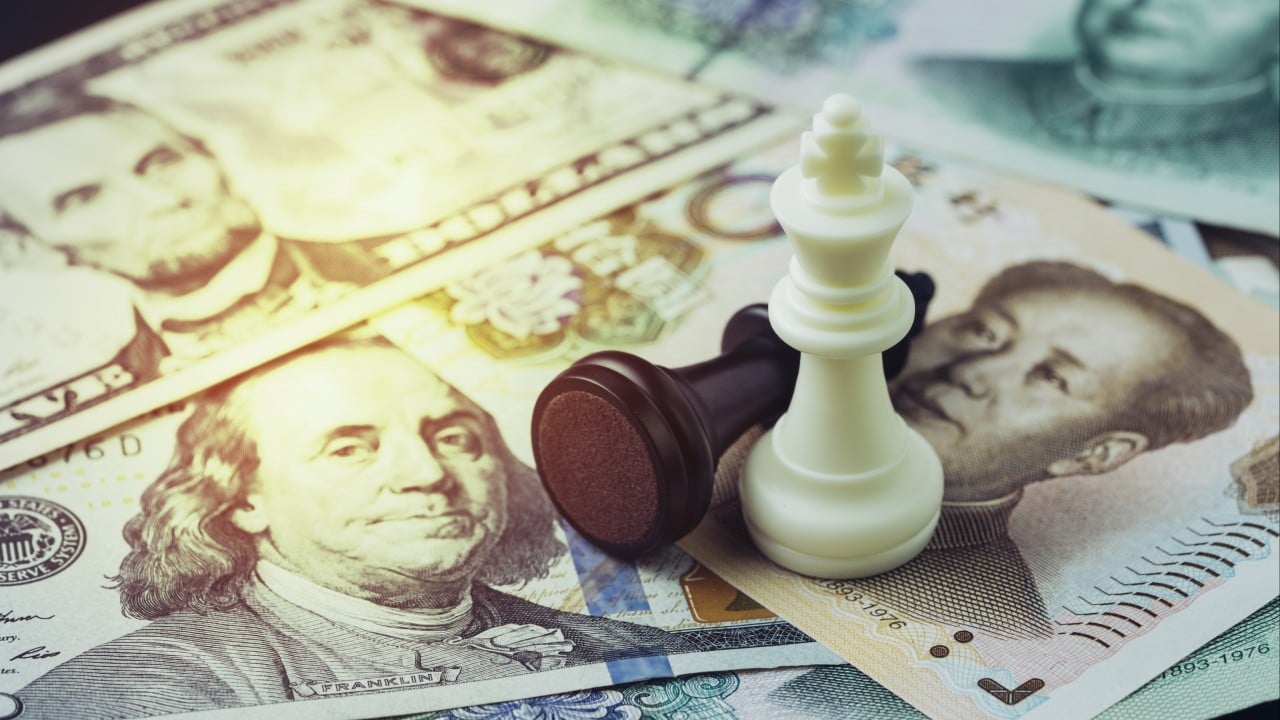
China has escalated its trade war tactics with a series of export controls and sanctions against US companies, analysts say. Wendy Cutler, senior vice-president at the Asia Society Policy Institute, noted that China's response is "a sharp contrast" to its actions during the Trump presidency. The Chinese Ministry of Commerce announced the retaliatory measures, including export controls on drones and related technologies, sanctions on seven US companies, and a national security investigation into foreign trade.
These actions come in response to recent US sanctions against 43 Chinese companies and FCC bans on imports of Chinese drones, robots, and power inverters. Compliance Testing LLC, an FCC-recognized testing laboratory, expressed surprise at China's actions but emphasized that its work supports US national security interests. Since 2020, China has expanded its economic toolkit, introducing laws and regulations such as the Export Control Law, Unreliable Entity List, Anti-Foreign Sanctions Law, and Foreign Trade Law.
Beijing has used these measures to counter US restrictions, reducing the asymmetry in available policy tools. The measures, however, are "restrained overall," according to the ministry, as China values the stability of China-US economic and trade relations. The US government expressed disappointment with China's actions, warning that they risk derailing efforts to stabilize economic ties between the two largest economies.
Despite the escalation, the September summit between Chinese President Xi Jinping and US President Trump remains on track.
Written by urgent.news from South China Morning Post's reporting — not their text. Machine-written — may contain errors; check the original before relying on it.