Foragers concerned as ID apps misidentify toxic mushrooms
Foraging for mushrooms might be romantic, but experts warn assumed knowledge could be deadly.
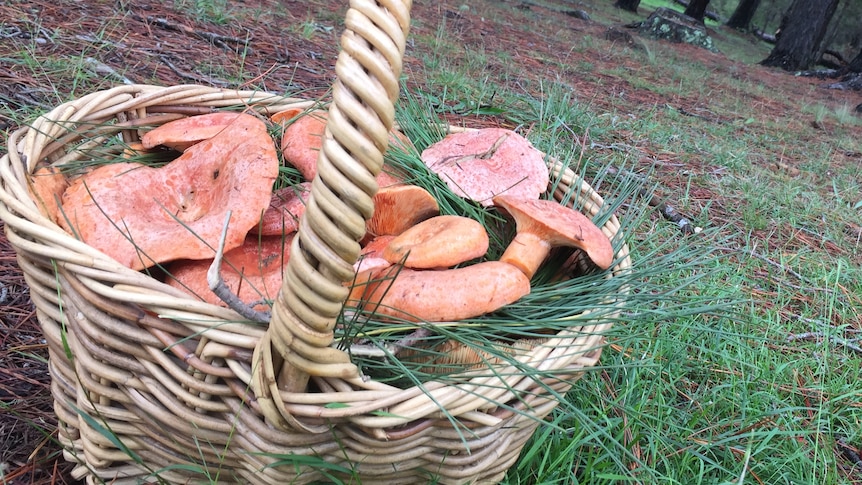
More and more individuals are turning to their smartphones to identify wild mushrooms, despite the unreliable accuracy of these ID apps. Experienced foragers are cautioning amateurs to seek guidance from knowledgeable individuals and refrain from relying solely on apps. NSW Health advises against picking and consuming wild mushrooms.
Foraging for wild mushrooms in the forest is an age-old and romantic pastime. As the weather turns cooler, enthusiasts like Robbie Robinson venture into the woods in search of valuable mushrooms. Robinson, a seasoned professional forager, has spent over 40 years gathering and selling wild mushrooms to Sydney restaurants and regional New South Wales outlets.
He explains that wild mushrooms possess unique nutrients, distinct from those cultivated commercially or industrially. Seasonal variations occur each year, and wild mushrooms often thrive in the undergrowth of pine plantations and state forests. Edible varieties include saffron milk cap and slippery jack, but distinguishing safe mushrooms from toxic ones is a critical life-skill.
The presence of toxic varieties that resemble safe ones, notably the lethal death cap mushroom, poses a significant risk to amateur foragers, leading to the creation of digital tools to aid identification. However, concerns have emerged that these tools may mislead foragers. A study published in the scientific journal NPJ Science of Food revealed that AI-assisted mushroom identification apps generally perform poorly, with one app incorrectly identifying mushrooms in over 90 percent of tests.
Lithgow-based forager and educator Diego Bonetto, with over 25 years of experience, expresses concern over the growing trend of amateur foragers using mobile devices during their foraging expeditions. He advises beginners to seek hands-on experience under the tutelage of an experienced picker. While mushroom foraging is legal in New South Wales state forests, the health department discourages the picking and consumption of wild mushrooms.
The Australian Poisons Information Centre receives approximately 900 calls annually regarding cases of wild mushroom ingestion, with about one-third of these requiring hospital treatment. Some mushrooms are fatally toxic, as demonstrated by a tragic Victorian incident where three individuals perished after consuming death cap mushrooms in a beef wellington.
UNSW associate professor of food microbiology, Julian Cox, emphasizes the extreme toxicity of certain wild mushrooms and the heightened risk of contamination from various environmental sources, such as animal feces. Cox warns that the "hand-me-down" process of mushroom identification increases the likelihood of consuming toxic varieties.
He expresses concern that a single misidentification could put patrons of restaurants focused on local foraged ingredients at risk. While acknowledging the inherent risks, chefs and Robinson both advocate for the inclusion of wild mushrooms in their culinary creations, emphasizing the importance of proper identification through practical experience and knowledge passed down through generations.
Written by urgent.news from ABC News AU's reporting — not their text. Machine-written — may contain errors; check the original before relying on it.