China urged to protect underwater cables amid growing fears of ocean sabotage
Beijing has been urged to create its own law to protect its underwater fibre-optic cables, as global fears grow over sabotage of critical ocean infrastructure. The recommendation by Shanghai Maritime University law professor Guo Ran comes amid growing threats to the undersea cables that carry about 99 per cent of global intercontinental data, including in critical chokepoints such as the Red Sea…
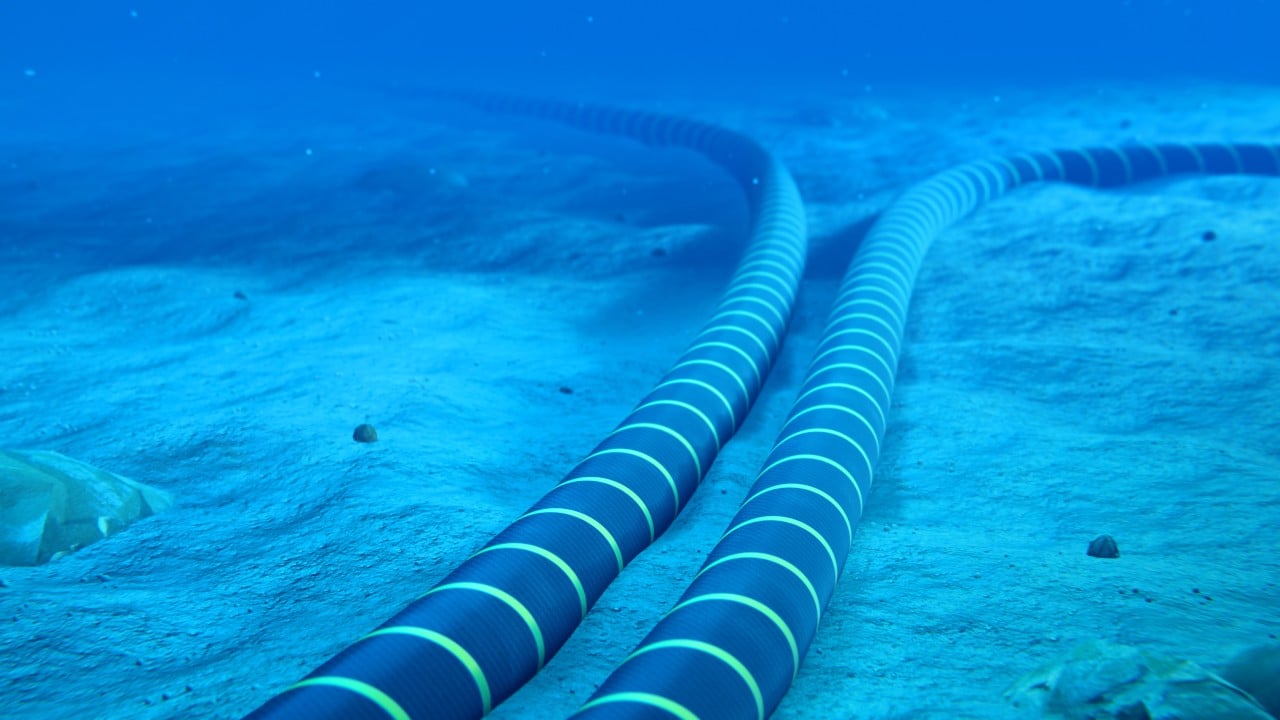
As concerns rise over potential sabotage of critical underwater fibre-optic cables, China has been advised to enact its own legislation to safeguard these essential ocean infrastructure components. The proposal from Shanghai Maritime University law professor Guo Ran stems from growing threats to the cables, which transmit approximately 99% of international data, particularly through vulnerable chokepoints like the Red Sea and Baltic Sea.
As a coastal nation and significant investor in the Digital Silk Road, China has a vested interest in protecting these vital cables that underpin global artificial intelligence (AI) infrastructure. According to Guo, China should establish a governance system for international subsea cable security that is both internationally recognized and capable of practical defense.
Recent years have seen China tighten digital regulation through laws such as the Data Security Law and Cybersecurity Law, but these primarily address data processing and cross-border flows, leaving physical seabed infrastructure largely unprotected. While the 1982 United Nations Convention on the Law of the Sea (UNCLOS) safeguards cable laying rights, it offers limited protection against grey-zone warfare, where foreign vessels may sabotage cables during routine navigation, exploiting flag-state immunity.
Guo highlighted the need to balance freedom of navigation, freedom of laying cables, flag-state jurisdiction, and critical infrastructure security amidst intentional destruction, gross negligence, and grey-zone actions. He suggested China could implement no-anchor zones in high-risk areas, enhance its underwater repair capabilities, and employ satellite surveillance, underwater drones, and seabed sensors alongside cross-agency coordination.
Designating subsea cables as critical information infrastructure under Chinese law could provide them with the same protection as national power grids and nuclear facilities. By developing a robust legal framework domestically, China could not only enhance national security but also assume a leading role in global seabed digital governance, ensuring the protection of international subsea cables and contributing to the governance of global digital infrastructure.
Written by urgent.news from Reuters Business via SCMP's reporting — not their text. Machine-written — may contain errors; check the original before relying on it.
This story
This is one outlet's version. Read the fullest account.