Apple's iPhone 18 Pro event won't be live, no matter how much you wish it to be
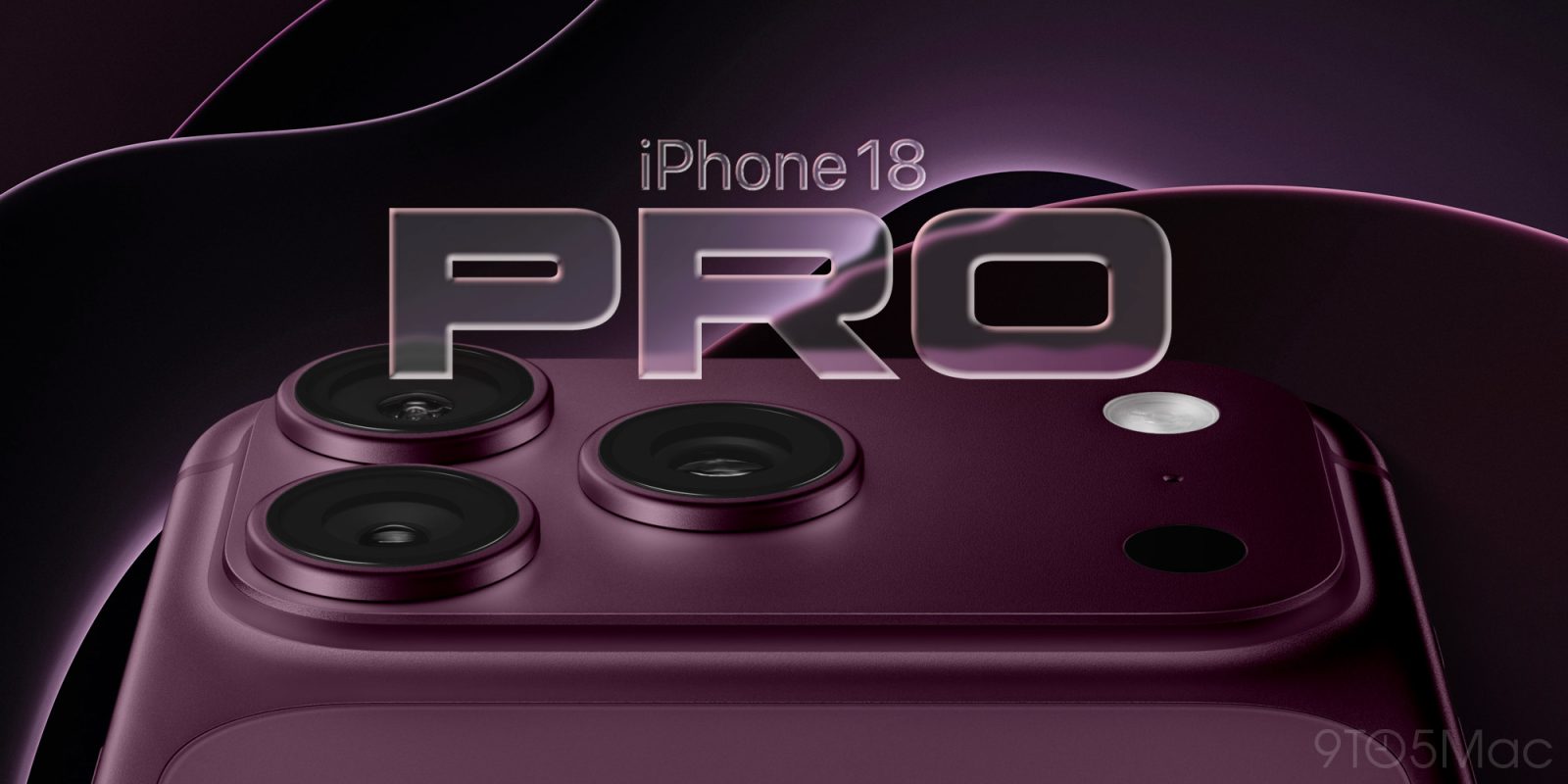
Apple's employee lottery for the September iPhone launch doesn't mean it will be a return to a live-presented event. It'll probably be the same pre-recorded presentation with press in the room as usual. John Ternus will introduce Apple's event in September. It will probably be prerecorded. It's barely a month away from Apple's regular fall event, which will see the launch of products like the…

Apple's A20 Pro chip production is progressing smoothly, however, a shortage of DRAM is causing a bottleneck in iPhone assembly. Apple relies primarily on Micron for these chips, complementing purchases from SK Hynix and Samsung. Though Apple anticipates meeting initial demand, concerns arise over potential extended online wait times and rapid depleting inventory if the shortage continues.
The A20 Pro chip, Apple's inaugural processor crafted on TSMC's N2 node, is a key component of the new iPhone lineup. It is packaged with high-performance DRAM using TSMC's Wafer-Level Multi-Chip Module (WMCM) process, replacing the previous Integrated Fan-Out (InFO) approach. WMCM is being piloted at Advanced Packaging Fab 3 in Longtan and will mainly be processed at AP7 in Chiayi once fully operational.
Despite strong N2 capacity demand, the bottleneck lies in DRAM. Processors with A20 Pro dies are accumulating as they wait for memory chips for WMCM packaging. As a result, TSMC has accumulated approximately $1 billion worth of ready-to-assemble processors waiting for memory. This inventory buildup is evident in TSMC's recent earnings call, where CFO Wendell Huang noted inventory days had increased by seven days to 87, primarily due to N2 technology ramp.
The DRAM shortage is also impacting board and device assembly, primarily handled by BYD and Foxconn in China. Insufficient DRAM-equipped WMCM packages reduce assembly capacity, increasing the risk of limited model availability during the launch. Apple aims to produce around 200 million units of the foldable iPhone Ultra, iPhone 18, and iPhone 18 Pro over the generation's lifespan, with less than 10% being the Ultra, rumored to retail for over $2,000.
The remaining units will be evenly divided between the Pro and standard versions. For now, Apple and its partners are diligently pushing more DRAM into the WMCM flow to maintain their production plan.
Written by urgent.news from TechSpot's reporting — not their text. Machine-written — may contain errors; check the original before relying on it.