$25 billion in data centers shows St. Louis is serious about competing in the AI economy
While Minneapolis and New York are pumping the brakes, the St. Louis region has decided to compete now in America's new infrastructure race.
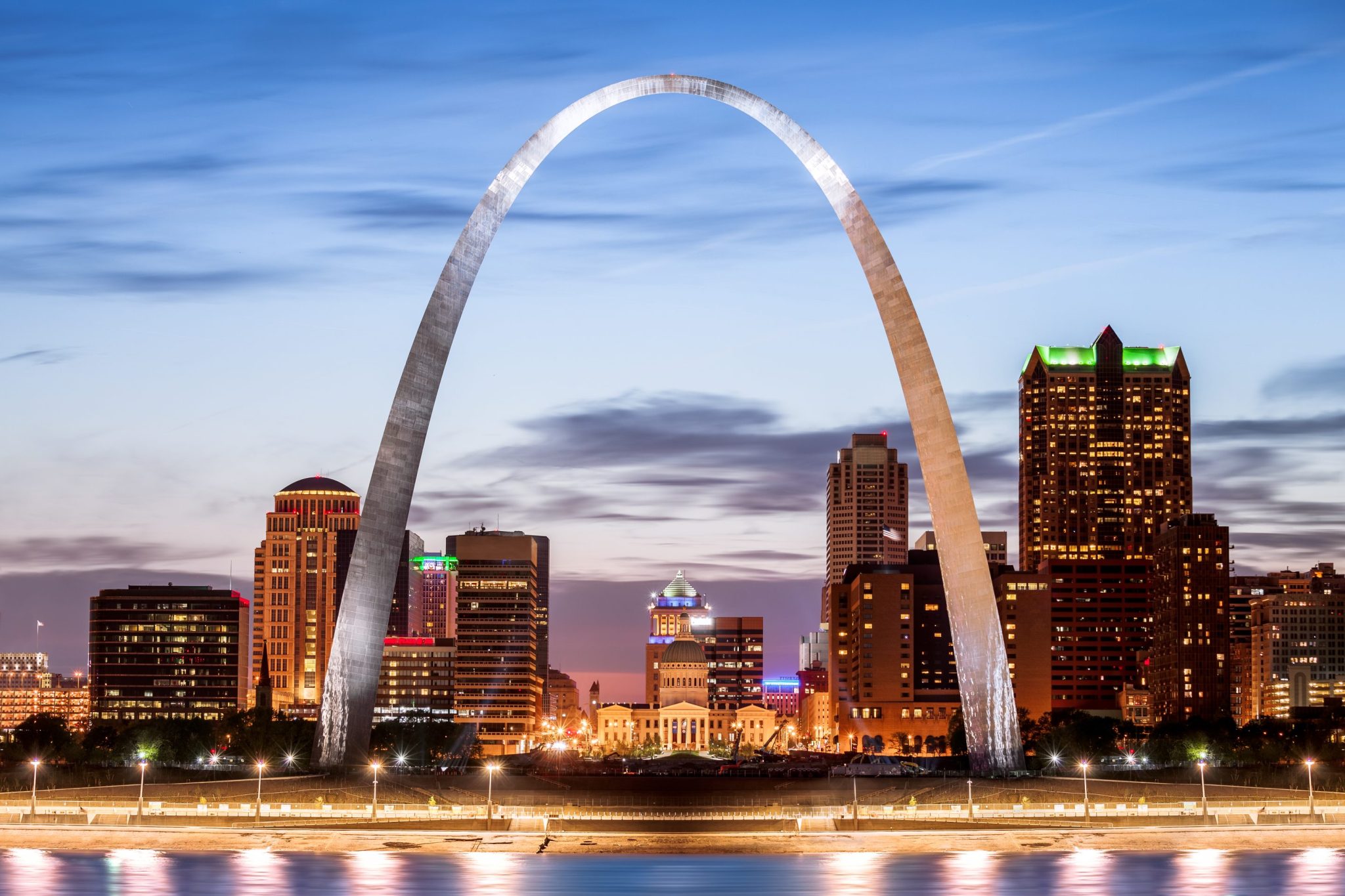
In the race for 21st century infrastructure, St. Louis is proving to be a serious contender in the AI economy. Data centers have become the backbone of digital innovation, powering artificial intelligence systems, research, cybersecurity, healthcare, defense technology, logistics, and advanced manufacturing. The region already boasts many assets sought by digital infrastructure companies, including a central location, a skilled workforce, strong logistics networks, lower operating costs compared to coastal markets, and a concentration of aerospace, geospatial, manufacturing, and defense industries.
Recognizing the need for responsible growth, St. Louis has developed a comprehensive regulatory framework addressing land use, emissions, water consumption, and neighborhood compatibility. The city's Board of Aldermen is currently working on finalizing this framework, incorporating input from various stakeholders. These efforts reflect a commitment to balancing competitiveness with quality-of-life concerns.
Concerns about water and energy usage have been taken seriously by residents, and developers behind the Armory Innovation District, a project centered around a data center for high-intensity computing, have not disclosed specific consumption figures. However, the data center is projected to draw an estimated 120 megawatts, making it the largest project in St. Louis.
To address these concerns, a rigorous review process has been implemented. The Board of Adjustment unanimously approved the project's conditional use permit in July, imposing binding conditions such as prohibiting the testing of backup diesel generators on poor air quality days and requiring the facility to use at least two percent of its power from renewable sources.
The developer must also contribute $15.7 million to a community fund and pay for any necessary water infrastructure improvements.
The region's commitment to responsible digital infrastructure development is evident through the Armory Innovation District, expected to generate $432 million in tax revenue for St. Louis Public Schools over the first decade, along with over 1,050 construction jobs and around 200 permanent on-site positions. Additionally, the National Geospatial-Intelligence Agency's $1.7 billion NGA West campus in North St. Louis, which employs about 3,150 people focused on geospatial intelligence powered by artificial intelligence, has added to the region's $5 billion geospatial economy supporting approximately 27,000 jobs in the bi-state area.
Other major investments include Google's $15 billion data center and Amazon's $10 billion data center campus, both expected to create thousands of jobs, generate substantial property tax revenue, and contribute to the local economy. These developments, coupled with advancements in cooling and efficiency technologies, demonstrate that St. Louis is not only embracing digital infrastructure but is also striving to do so responsibly, ensuring community engagement and addressing concerns about water and energy use.
Written by urgent.news from Fortune's reporting — not their text. Machine-written — may contain errors; check the original before relying on it.