Why are Hong Kong delivery drivers unhappy about proposed payouts for injuries?
Hong Kong delivery rider Raj Bhattarai* felt the pain – both physically and financially – after a vehicle rear-ended his motorcycle on the job about a year ago. Bhattarai, who is in his forties, spent a month on sick leave with a back injury and waited 10 months before he received compensation for the accident. The payout was a paltry HK$3,000 (US$382). “It is not enough at all,” said the father…
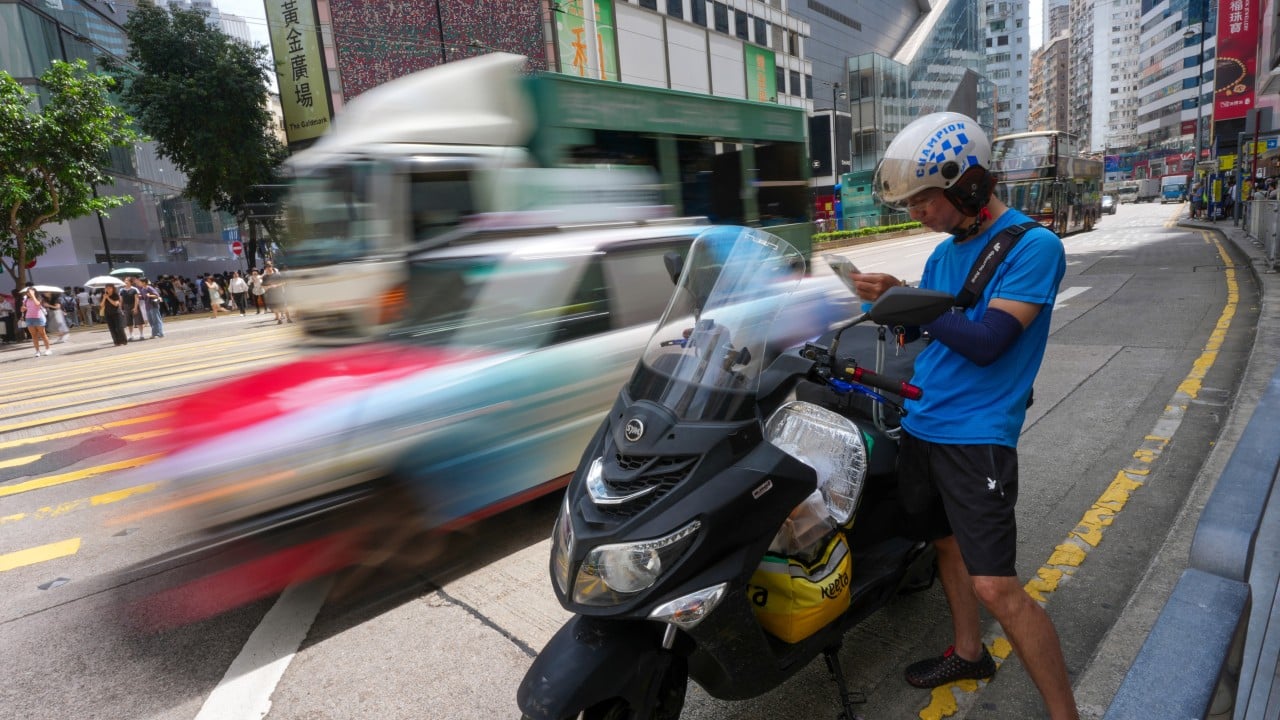
Hong Kong delivery drivers are expressing discontent over proposed payments for injuries resulting from the gig economy. Raj Bhattarai, a 40-year-old delivery rider, recounted how he suffered a back injury after being rear-ended by a vehicle while on duty a year ago. Despite spending a month on sick leave, Bhattarai had to wait ten months to receive a meager HK$3,000 (US$382) compensation.
Bhattarai, a single father, stated that this sum is insufficient, as he had no income during his recovery and had to rely on his usual salary of around HK$30,000 a month to support his family. Bhattarai's situation is not unique, as other injured riders complain about lengthy claim delays and meager compensation. As the gig economy expands, Bhattarai and other workers are advocating for the government to strengthen protections for gig workers.
They propose that compensation for injuries sustained while working under platform-based gig economy contracts should be based on longer-term income averages and consider logged-on waiting time as protected working hours. Furthermore, compensation should be tied to income like that of full-time employees rather than fluctuating weekly earnings.
The Labour and Welfare Bureau recently proposed a legislative bill that would grant food and goods delivery workers rights similar to those provided by the Employees' Compensation Ordinance, including sick leave, medical expenses, and permanent incapacity benefits. However, the formula for calculating income remains a topic of debate, and occupational diseases would not be covered.
The government aims to introduce the bill by the end of the year. The coverage would apply to the entire delivery journey, including the return to the vehicle or a specified period after cancellation, as well as the ride home within four hours, under a "no-fault" principle. However, logged-on waiting time would not be covered, as platform workers do not have a traditional employment relationship with operators.
The current group personal accident insurance policies provided by delivery platforms like Keeta and Foodpanda offer limited payouts, which critics argue are inadequate for riders who endure long periods of logged-on standby time.
Written by urgent.news from South China Morning Post's reporting — not their text. Machine-written — may contain errors; check the original before relying on it.