NASA, SpaceX studying how to prevent future upper stage lunar collisions
With a Falcon 9 upper stage set to hit the moon this week, SpaceX says it is working with NASA on ways to prevent similar collisions in the future. The post NASA, SpaceX studying how to prevent future upper stage lunar collisions appeared first on SpaceNews .
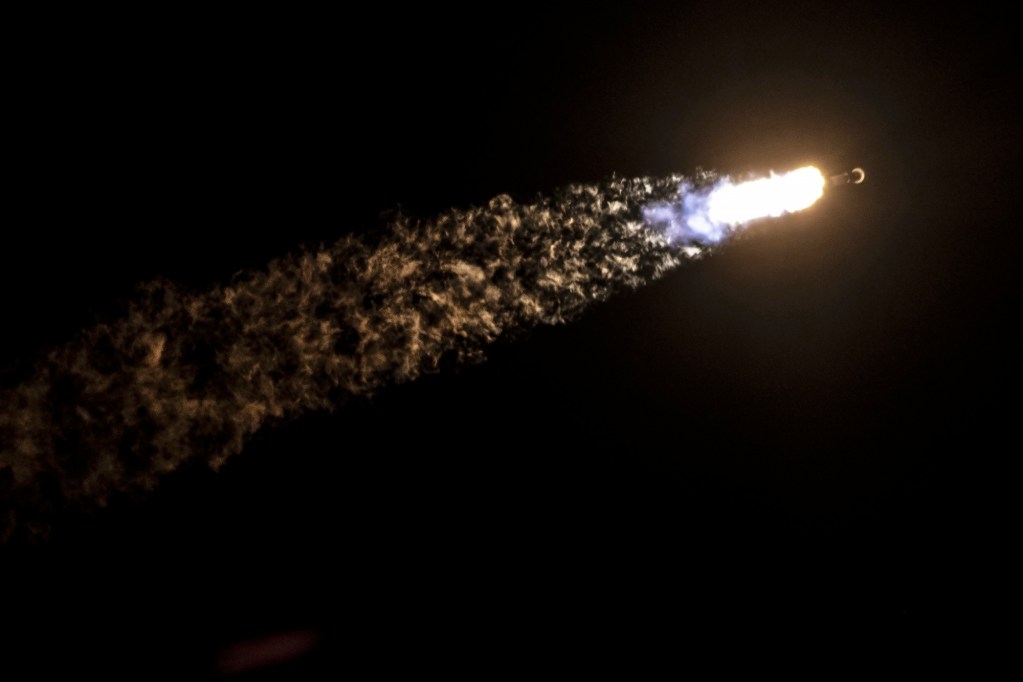
The upper stage of a SpaceX rocket, which delivered lunar landers in early 2025, is on track to impact the lunar surface at a speed of 5,400 mph or 8,690 kph, seven times the speed of sound. Though this might appear inconsequential to many, scientists and astronomers are closely monitoring the event as it will be one of the few times an object impacts the moon while being observed.
NASA's Lunar Reconnaissance Orbiter and South Korea's Danuri lunar orbiter will capture before-and-after images of the impact site, with the latter also flying close to the rocket a few minutes before its final descent.
Previously, NASA intentionally crashed objects onto the moon during Apollo missions for seismic experiments and again in 2009 with the LCROSS mission seeking ice near the moon's south pole. Researchers are particularly interested in the impact's effects on the lunar surface, expecting it to deliver the energy equivalent to about three tons of TNT.
Though this seems substantial, the crash may not be visible from Earth. However, due to the moon's lack of wind or atmosphere, ejected material could stretch for miles and be observable through telescopes.
Benjamin Fernando of the Los Alamos National Laboratory explains that the moon's low gravity and lack of wind mean any dust ejected by the impact would not be blown away, making it a potential hazard for future astronauts. Although space debris is currently less of a concern for the moon compared to Earth, this situation could change as the U.S. and China race to land people on the moon again after half a century.
Operators will soon need to consider how to dispose of their rocket debris to prevent it from crashing into settlements and data centers on the lunar surface.
Written by urgent.news from Tom's Hardware's reporting — not their text. Machine-written — may contain errors; check the original before relying on it.
This story
This is one outlet's version. Read the fullest account.