Four Pacific nations are planning one of the world’s largest ocean corridors
Founder’s Briefs: An occasional series where Mongabay founder Rhett Ayers Butler shares analysis, perspectives and story summaries. Four Melanesian countries are planning a network of marine reserves across one of the world’s richest stretches of ocean. Papua New Guinea, Vanuatu, and Fiji announced the Melanesian Ocean Corridor of Reserves in May. Solomon Islands joined in […]
Four Melanesian nations—Papua New Guinea, Vanuatu, Fiji, and Solomon Islands—have announced plans to establish one of the world's largest ocean corridors, comprising a network of marine reserves. The corridor aims to connect protected areas across their national waters and potentially extend into the high seas, according to contributor Ashley Yeong for Mongabay.
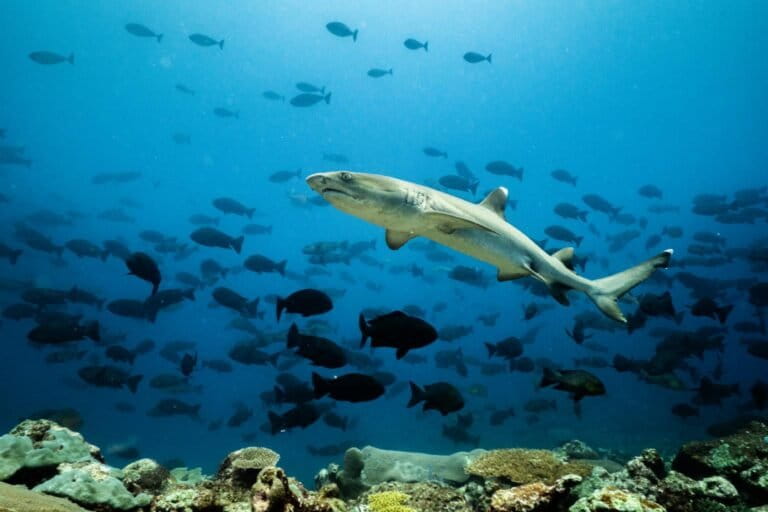
Situated within the Coral Triangle, a region in the southwestern Pacific Ocean that hosts a substantial portion of known coral species, Melanesia is home to diverse marine life, including sharks, rays, dugongs, and whales.
Several large reserves are proposed as anchors for the corridor. Papua New Guinea plans a 214,000-square-kilometer no-take sanctuary in the western Manus region, an area roughly the size of Great Britain. Vanuatu has established a fully protected marine area covering 71,000 square kilometers around Torba Province. Fiji has committed to protecting 15% of its waters by the end of 2026.
By linking these designated areas, the corridor could aid in safeguarding crucial marine habitats such as migration routes, breeding grounds, and the flow of larvae between reefs. Implementing common regulations could also deter industrial fishing vessels from focusing efforts along the boundaries of isolated reserves.
However, the governments involved have provided limited information about the specifics of the corridor, such as operational mechanisms, map details, governance arrangements, enforcement systems, and funding plans. The disparities in monitoring capacities among the nations may pose challenges, potentially leaving certain areas inadequately protected.
Written by urgent.news from Mongabay's reporting — not their text. Machine-written — may contain errors; check the original before relying on it.