Middle East: Iran War: New Solution for the Strait of Hormuz in Sight?
Mediation efforts between Iran and the US are continuing - the US Treasury Secretary is talking about a solution soon. But ideas for the future of the Strait of Hormuz are raising questions.

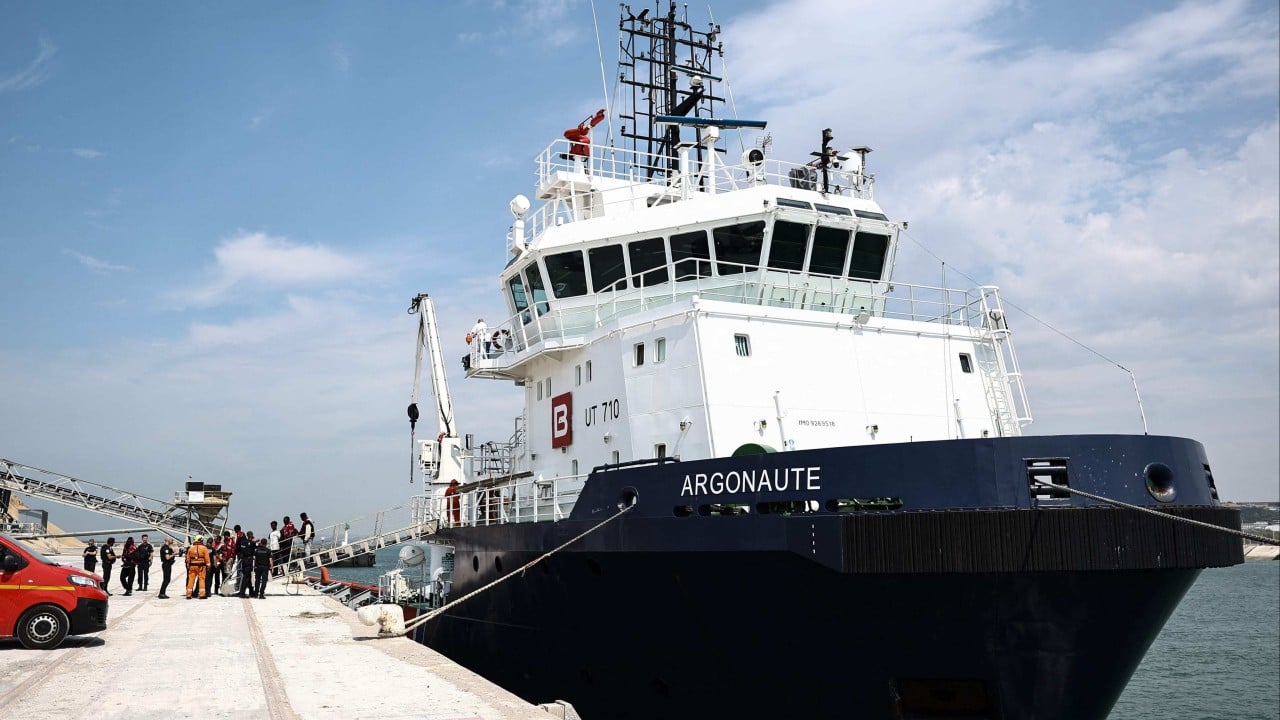
After US President Donald Trump's latest threat against Iran, efforts to diplomatically resolve the conflict continue. "Everyone in the region is working together to avoid escalation," said Qatari Foreign Ministry spokesman Majid al-Ansari in the capital Doha. He spoke of ongoing diplomatic efforts that were "already far advanced." A solution for shipping in the Strait of Hormuz is expected soon, according to Qatar and the US.
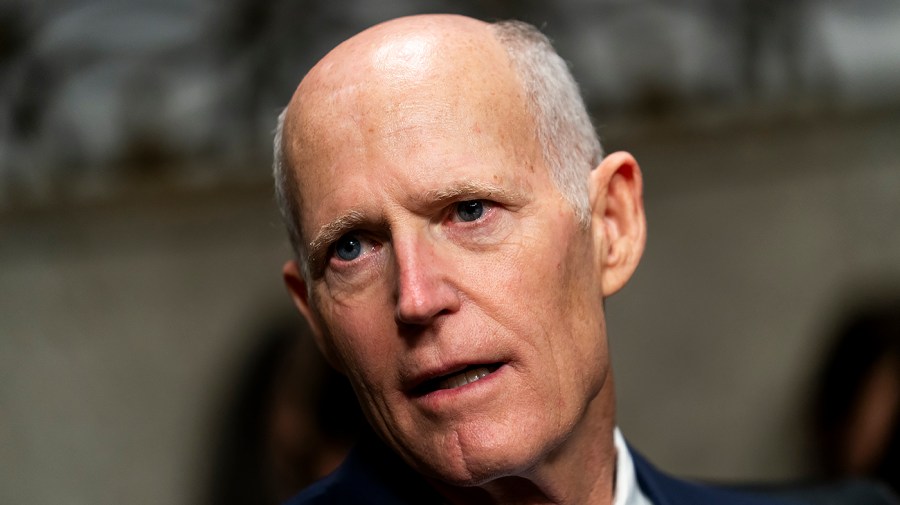
In Rome, talks between Israel and Lebanon continued on the further implementation of their security agreement. A possible reopening of the strait for today or tomorrow is in sight, US Treasury Secretary Scott Bessent said. "We are in talks with the Iranians, and I think there is a chance that we will reach an agreement today or tomorrow to open the strait," he said in an interview with US broadcaster CNBC.
Asked about a possible fee, he replied that he assumed free passage. Qatari Foreign Ministry spokesman al-Ansari also said that an agreement on the strait had not yet been reached, but this could "change in the next few days or hours."
On Monday, US President Donald Trump again threatened Tehran in order to reach a negotiated solution. At the White House, he said: "I want to give them every last chance before the beheading." First, there should be an opening of the important strait between Iran and Oman, then a solution to the dispute over the Iranian nuclear program.
According to Iran, there are currently only talks through mediators, but no direct contacts between the two countries. Iran has proposed a kind of round course for ships through the strategically important strait: together with neighboring Oman, freighters could enter the Strait of Hormuz via a northern route through Iranian territorial waters.
After the ships have called at ports in Iran or Arab Gulf states, they could use a southern route through Omani territorial waters for the return journey. The New York Times also reported on the plans, citing Iranian and US officials.
According to the report, however, there are reservations about the solution in the US Department of Defense. On the one hand, this would almost represent a capitulation to Iran. On the other hand, there are still so many Iranian sea mines in Omani waters that passage there would require coordination with the Islamic Republic.
The solution would allow Iran to control which ships enter the Persian Gulf and possibly deny passage to warships. The regulation would also enable the Islamic Republic to collect fees for entry. Shipping in the Middle East remains under pressure.
Despite no direct attacks between the US and Iran, a freighter came under fire in the Strait of Hormuz on Tuesday night, the British Maritime Trade Authority (UKMTO) reported. The incident occurred about 37 kilometers northeast of the Omani town of Al Chasab.
The authority initially made no statements about possible damage or injuries on the freighter. The ongoing tensions in the region continue to put shipping traffic in the Middle East under pressure: on Monday, only nine ships passed through the Strait of Hormuz, according to information from the data provider Kpler available to the German Press Agency.
In the past week, an average of around 16 ships passed through the strait between the Persian Gulf and the Gulf of Oman every day. Due to threats and attacks by the Houthi militia in Yemen, allied with Iran, against Saudi Arabia, shipping traffic through the Bab al-Mandab sea route at the exit of the Red Sea is also affected.
Further talks between Israel and Lebanon. The Iran war also led to a renewed escalation between Israel and the pro-Iranian Hezbollah militia in Lebanon with mutual attacks in early March. More than 4,000 people were killed in Lebanon, according to local authorities.
Since April, the Lebanese and Israeli governments have been holding direct political talks for the first time in decades. On Tuesday, these talks continued in Rome, as reported by Lebanon's state news agency NNA. The talks are about the further implementation of their security agreement.
An underground tunnel system of Hezbollah is said to be a central topic, according to Lebanese government circles. Washington is mediating in the conflict. The goal is also to achieve a conflict resolution independent of Iran, which is an important ally of Hezbollah. Hezbollah itself is not participating in the talks.
The latest framework agreement provides for both the withdrawal of Israeli troops from southern Lebanon and the disarmament of Hezbollah. Both points have not yet been implemented. This is the seventh round of talks, which is to continue until Thursday.
Translated by urgent.news. Machine-written — may contain errors; check the original before relying on it.