Michael Dell's son and a SpaceX alum want to put battery storage in every backyard
Home battery storage, which can lower electric bills by feeding power back to the grid, is gaining popularity across the US, particularly in warmer regions. A startup led by Zach Dell shows how the industry is expanding options for grid operators. Read Entire Article
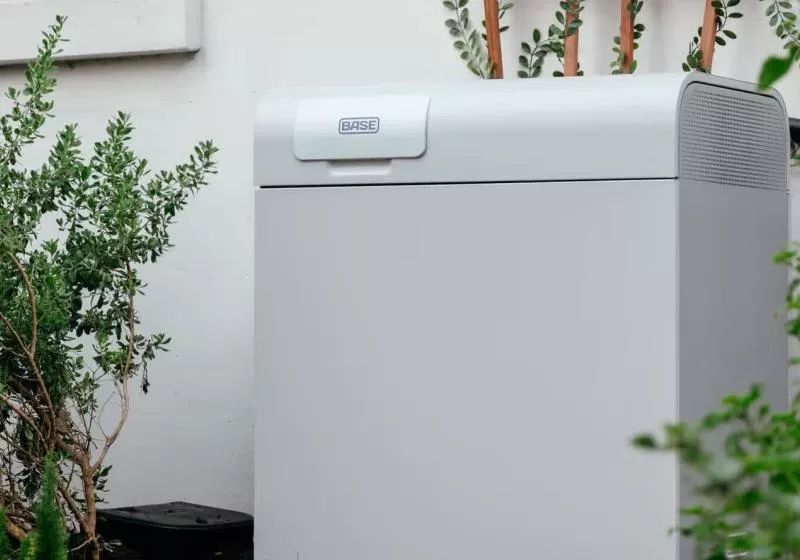
Michael Dell's son, Zach Dell, and a SpaceX alum, Justin Lopas, are collaborating on a venture to install battery storage in residential backyards across the United States. Home battery storage, which enables homeowners to store excess energy for later use, is gaining popularity, particularly in regions with warmer climates. The technology is no longer limited to homes with solar panels, but is also being adopted by those without solar installations.
Base Power, the startup founded by Zach Dell, installs approximately 100 39-kilowatt-hour batteries daily and aims to double this rate by the end of 2026. The company has already installed around 550 megawatt-hours of storage capacity, equivalent to a substantial utility-scale project. This trend is driven by state policies in Texas, California, Arizona, and Hawaii, which have led to a surge in residential storage installations.
According to the Energy Information Administration, the US installed a record 673 megawatts of storage capacity in the first quarter of this year, with home batteries contributing to 1.3 gigawatt-hours of this total. While federal tax incentives for residential solar and battery installations are no longer available, states are exploring alternative ways to compensate homeowners for their efforts.
Hawaii, for example, offers $400 per kilowatt of installed capacity, and California provides recurring payments for grid contributions. Homeowners who install Base Power's batteries can expect up to 36 to 72 hours of backup power during outages and potential savings on their energy bills. The founders believe that their venture can contribute to the US energy grid, support the growth of domestic manufacturing, and help meet the escalating energy demands of AI data centers.
Written by urgent.news from TechSpot's reporting — not their text. Machine-written — may contain errors; check the original before relying on it.