Kursflaute und Steuerfrust: Krypto-Anleger verharren im Dauerfrost
Knapp 9 Millionen Menschen in Deutschland halten Bitcoin und andere Kryptos – doch jetzt drohen neue Steuern. Was das für Anleger und den Markt bedeutet, bleibt offen.
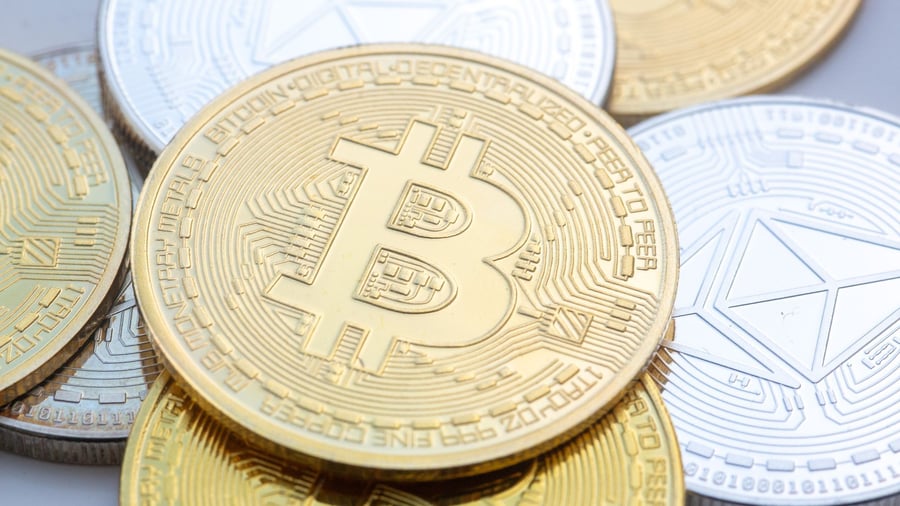
Investors holding Bitcoin and other cryptocurrencies are currently enduring a prolonged freeze due to a sharp plunge in the cryptocurrency's price. Bitcoin's value has dropped by roughly half since last autumn and has been hovering between $60,000 and $65,000 for months. Germany's political climate is also impacting investor sentiment.
Federal Finance Minister Lars Klingbeil (SPD) intends to make changes to the tax rules. At present, investors holding Bitcoin and similar assets for over a year in their private portfolio are exempt from taxation on any gains, while those with a shorter holding period are subject to personal income tax rates. This rule applies to gold, luxury watches, classic cars, artwork, and other valuable items as well.
Bitcoin and stocks are also subject to taxation. Klingbeil's plans suggest that the one-year holding period for digital currencies will be abolished, and crypto profits will be taxed like stock earnings in the future. However, many details of Klingbeil's proposals remain unclear, such as the question of transitional arrangements.
The CDU/CSU party, Klingbeil's coalition partner, has yet to confirm whether they will support his plans in Parliament. The three ruling parties had previously agreed in their coalition contract not to raise taxes. Approximately 9 million crypto investors currently exist in Germany. According to a recent representative survey by the opinion research institute YouGov for the management and technology consultancy BearingPoint, 12.8 percent of adult Germans currently own digital coins, translating to nearly 8.9 million people.
Additionally, 4.9 percent have already abandoned Bitcoin, while 11.4 percent are still considering an investment. However, the majority of the population cannot envision investing in cryptocurrencies, with 67.4 percent of citizens owning no crypto assets and categorically rejecting the idea of purchasing them in the future. The generational and gender gaps are particularly pronounced.
While nearly one-fifth of men hold digital assets in their portfolio, only one in thirteen women do. Moreover, cryptocurrencies remain a phenomenon of the younger generation: Only 28.4 percent of those aged 25-34 own digital assets, while the 55+ generation barely scratches the surface. Those who have invested in the crypto market primarily rely on Bitcoin, followed by Ethereum and Solana.
Speculative meme coins like Dogecoin play a secondary role. Risk awareness is high, with only 5 percent of respondents viewing cryptocurrencies as a reliable store of value in times of crisis. Instead, the prevailing sentiment is that Kryptowährungen are primarily speculative products, with 32.7 percent of the population seeing them that way.
Even among active crypto investors, 38 percent view their involvement primarily as a speculative venture. The uncertainty surrounding the course of the markets will not make it easy for Finance Minister Klingbeil to generate a steady revenue stream if he abolishes the holding period for crypto assets. Klingbeil's proposal is met with criticism from over 40 percent of the population and more than 70 percent of active crypto investors, who believe that abolishing the holding period would drastically reduce the attractiveness of crypto investments.
Furthermore, 37.6 percent of the population support treating long-term investors more favorably tax-wise than short-term speculators, with 80.8 percent of active crypto investors agreeing. However, the population remains largely uncertain, with nearly 39 percent admitting they lack the technical expertise to judge the best tax model.
Industry experts warn lawmakers against hastily tightening the tax screws. Robert Bosch, global head of Financial Services at BearingPoint, emphasizes that the tax treatment extends far beyond a mere detail and decisively determines the reliability of the market for investors and Germany's competitiveness in the international race for digital financial innovations.
"Kryptowährungen have moved beyond the niche; they are still not yet part of mainstream society," he notes. For both business and politics, this is a crucial signal: "To ensure digital assets gain lasting acceptance, they need trust, comprehensibility, and a reliable institutional framework."
Written by urgent.news from Handelsblatt's reporting — not their text. Machine-written — may contain errors; check the original before relying on it.